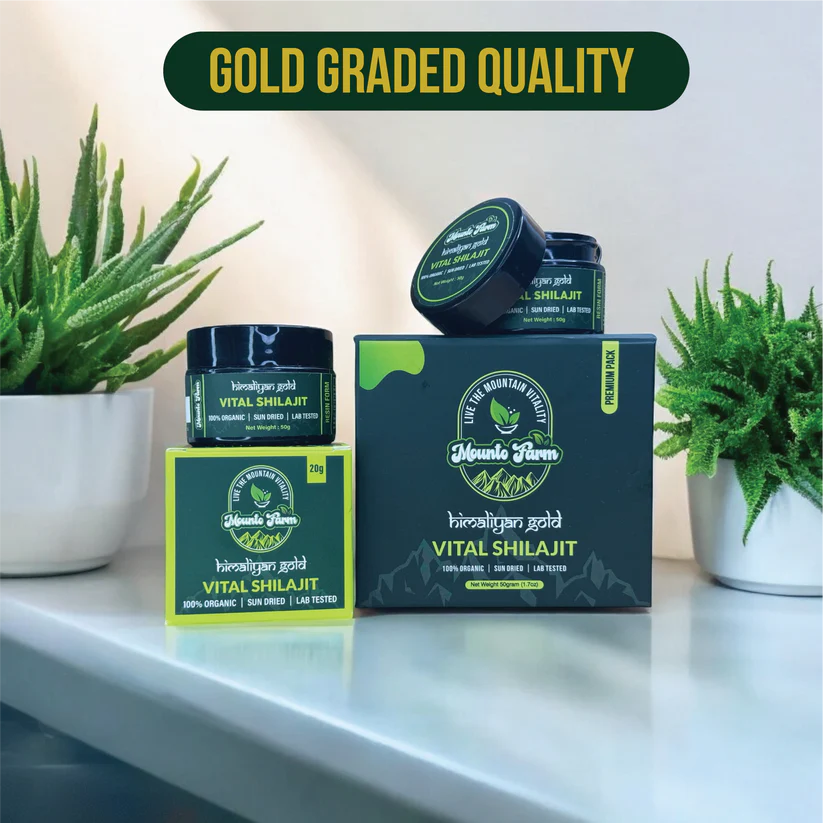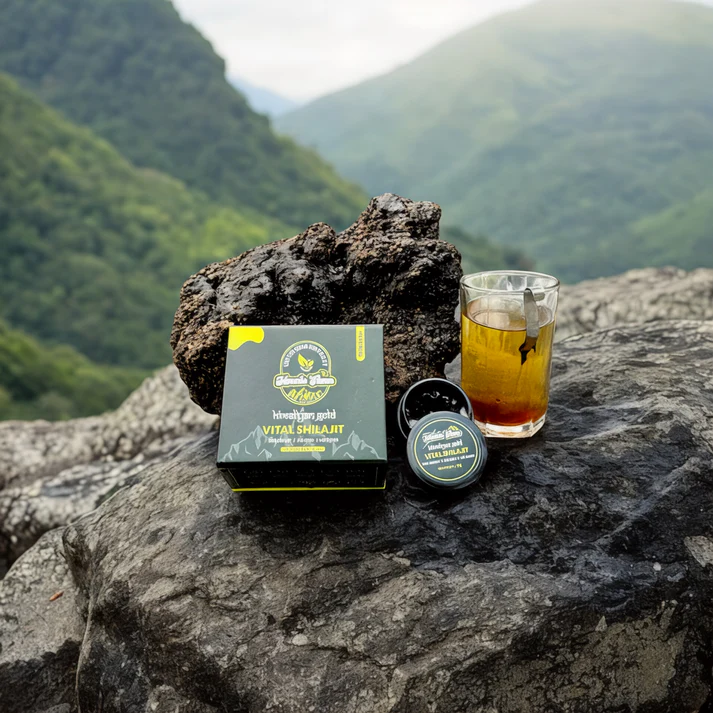
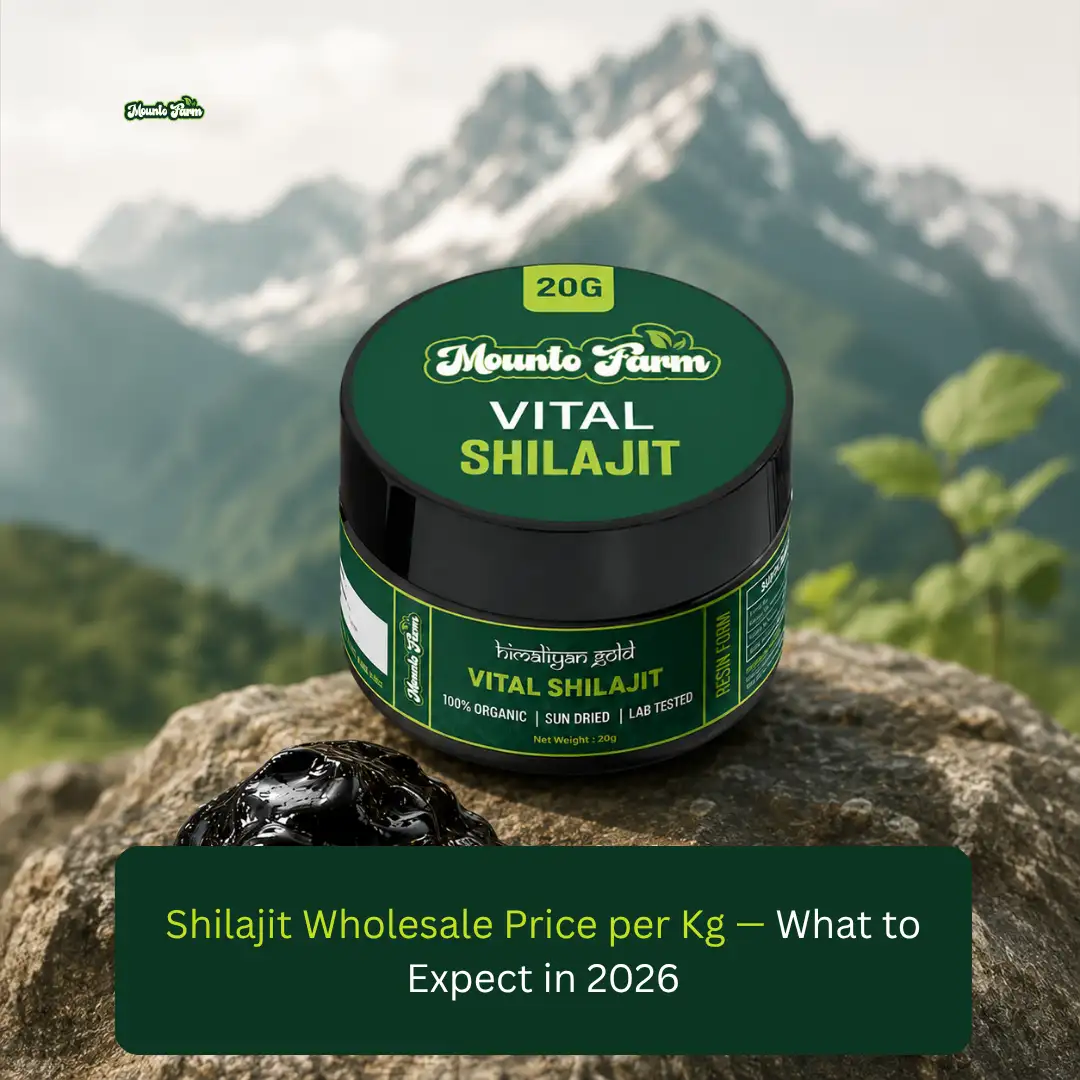
Pure Shilajit Wholesale Price per Kg is one of the most searched topics among importers, supplement brands, wholesalers, and retailers planning to source premium Himalayan shilajit in 2026. Wholesale prices vary according to product purity, source, manufacturing process, laboratory testing, certifications, packaging, and order quantity. Therefore, buyers should understand these factors before placing a bulk order. A reliable supplier offers more than competitive pricing because consistent quality and dependable service also play a major role in long-term business success. This guide explains what affects wholesale pricing, current market expectations, and practical tips for choosing the right supplier in 2026.
What Is Shilajit Wholesale Price per Kg?
Understanding Shilajit Wholesale Price per Kg is the first step before purchasing products in bulk. Wholesale pricing refers to the amount businesses pay when buying directly from manufacturers or distributors instead of purchasing retail products. Unlike retail pricing, wholesale costs depend on order size, product quality, purification methods, packaging requirements, and supplier experience. As a result, two suppliers may offer different prices even when selling similar products.
Businesses should avoid selecting a supplier based only on the lowest quotation. Instead, they should compare laboratory reports, manufacturing standards, certifications, and sourcing information. Paying slightly more for premium-quality shilajit often helps businesses reduce customer complaints while building long-term trust.
Who Purchases Wholesale Shilajit?
Several businesses buy shilajit in bulk every year. Supplement companies purchase raw materials for manufacturing dietary supplements, while retailers stock finished products for health stores and online shops. Importers and exporters also source bulk quantities to supply different international markets. In addition, many companies choose private-label manufacturing to sell products under their own brand names.
Why Wholesale Pricing Matters
Wholesale pricing directly affects profit margins. Lower purchasing costs may increase profits, but poor-quality products often create customer dissatisfaction and damage business reputation. Therefore, successful retailers focus on balancing competitive pricing with reliable product quality. This strategy helps businesses grow steadily while maintaining customer confidence.
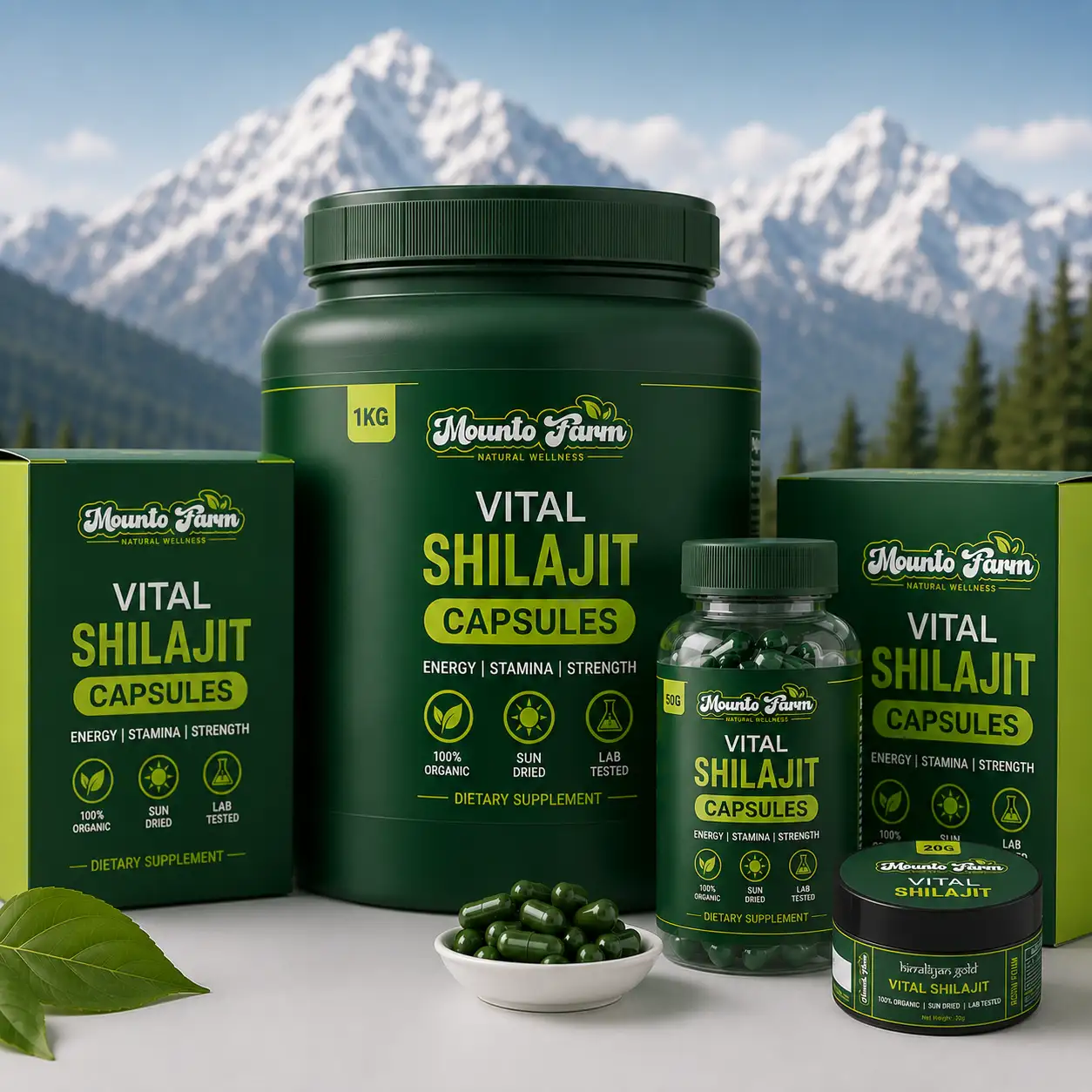
How Factors Affect Shilajit Wholesale Price per Kg
Many variables influence Shilajit Wholesale Price per Kg. Understanding these factors allows businesses to compare suppliers more accurately instead of looking only at price lists. High-quality manufacturers usually invest in purification, laboratory testing, quality assurance, and responsible sourcing, which naturally affects wholesale costs.
Product Purity
Purity is one of the biggest pricing factors. Raw shilajit contains natural impurities that require careful purification before becoming suitable for commercial use. High-purity shilajit usually requires additional processing, advanced equipment, and strict quality control procedures. Consequently, premium purified resin generally costs more than lower-grade products.
Origin and Himalayan Sourcing
The geographic source also influences pricing. Many buyers prefer Himalayan shilajit because of its long-standing reputation for quality. However, harvesting from remote mountain regions requires skilled workers and careful transportation. These additional costs contribute to wholesale pricing.
Laboratory Testing and Certifications
Independent laboratory testing verifies product purity and screens for contaminants. Reliable manufacturers invest in third-party testing to ensure product quality and transparency. Certifications such as GMP manufacturing and quality assurance systems also increase buyer confidence. Although these processes add production costs, they provide greater value for wholesale customers.
Types of Shilajit Available for Wholesale
Different product forms have different manufacturing costs and pricing structures. Businesses should choose the type that best matches their target customers and sales strategy.
Shilajit Resin
Purified resin is the most popular wholesale option because many consumers consider it the closest form to natural shilajit. Resin requires careful purification and packaging, which may increase production costs. However, it also attracts customers looking for premium-quality products.
Powder and Capsules
Powder and capsules provide greater convenience for consumers who prefer measured servings. These products require additional processing and manufacturing before packaging. Therefore, pricing often reflects both the raw ingredient cost and production expenses.
How Product Quality Influences Price
Product quality is one of the biggest reasons Shilajit Wholesale Price per Kg varies between suppliers. Premium-quality shilajit requires careful sourcing, thorough purification, laboratory testing, and strict quality control. Although these steps increase production costs, they also produce a safer and more consistent product. Therefore, retailers who invest in high-quality shilajit often build stronger customer trust and reduce complaints.
Purification Process
Raw shilajit naturally contains impurities that must be removed before it is suitable for commercial use. Reliable manufacturers use controlled purification methods to improve product quality while preserving its natural composition. Proper purification also helps maintain consistency between batches. As a result, purified shilajit usually commands a higher wholesale price than unprocessed material.
Third-Party Laboratory Testing
Independent laboratory testing is another factor that affects pricing. Trusted suppliers test their products to verify purity and screen for contaminants. These reports provide transparency and help wholesale buyers confirm product quality before placing an order. Although testing increases manufacturing costs, it gives retailers greater confidence in the products they sell.
Bulk Orders and Minimum Order Quantity
Wholesale suppliers usually offer lower prices for larger purchases. However, most manufacturers also require a Minimum Order Quantity (MOQ) before providing wholesale rates. Understanding MOQ helps businesses manage inventory, control costs, and plan future growth. Buyers should discuss order requirements with suppliers before making purchasing decisions.
Benefits of Bulk Purchasing
Buying larger quantities often reduces the cost per kilogram and lowers shipping expenses. Bulk purchasing also provides a stable inventory, allowing retailers to meet customer demand without frequent reordering. Furthermore, long-term wholesale agreements may include additional pricing advantages and better business support.
Understanding MOQ
MOQ requirements differ from one supplier to another. Some manufacturers accept small trial orders, while others specialize in large commercial shipments. New businesses should choose suppliers whose MOQ matches their budget and sales goals. Starting with manageable quantities can reduce financial risk while allowing retailers to evaluate product quality.
Choosing the Right Wholesale Supplier
Selecting a supplier involves much more than comparing prices. A dependable wholesale partner should provide high-quality products, transparent laboratory reports, reliable shipping, and responsive customer support. Businesses that evaluate suppliers carefully are more likely to build long-term success.
Questions to Ask Before Buying
Before placing an order, ask whether the supplier offers third-party laboratory reports, product certifications, private-label services, and consistent inventory. Buyers should also ask about production capacity, delivery times, and packaging options. These questions help reduce uncertainty and improve purchasing decisions.
Common Mistakes to Avoid
Many buyers choose the lowest-priced supplier without checking quality documents. Others overlook laboratory testing or fail to verify manufacturing standards. These mistakes may result in inconsistent products and customer complaints. Therefore, always compare suppliers based on quality, transparency, and long-term reliability rather than price alone.
Shilajit Market Trends in 2026
Demand for premium Himalayan shilajit continues to grow as more consumers choose natural wellness products. Consequently, businesses are looking for suppliers that provide laboratory-tested products, responsible sourcing, and reliable manufacturing. Quality has become a major purchasing factor, and buyers increasingly prefer trusted manufacturers over low-cost suppliers.
Rising Demand
Supplement brands, retailers, and private-label businesses continue expanding their product ranges to meet growing customer interest. This increasing demand encourages manufacturers to improve quality standards and production capacity while maintaining consistent supply.
Price Expectations for 2026
Wholesale prices are expected to remain influenced by product purity, sourcing, certifications, packaging, and transportation costs. Although pricing may vary between suppliers, businesses that focus on quality rather than the lowest cost are likely to achieve better long-term results.
Frequently Asked Questions
What affects Shilajit Wholesale Price per Kg the most?
Product purity, Himalayan sourcing, laboratory testing, manufacturing quality, certifications, packaging, and order quantity all influence wholesale pricing.
Does a higher wholesale price always mean better quality?
Not always. However, reputable suppliers often charge more because they invest in purification, quality control, and independent laboratory testing.
What is MOQ in wholesale purchasing?
MOQ stands for Minimum Order Quantity. It is the smallest order a supplier accepts for wholesale pricing.
How can I verify a supplier?
Request third-party laboratory reports, manufacturing certifications, sourcing information, and customer references before placing an order.
Conclusion
Himalayan Shilajit Wholesale Price per Kg depends on several factors, including product purity, Himalayan sourcing, laboratory testing, manufacturing standards, packaging, and order quantity. Therefore, businesses should compare suppliers based on quality, transparency, and reliability instead of selecting products based only on price. Investing in premium-quality shilajit helps improve customer satisfaction, strengthens brand reputation, and supports long-term business growth.
If you are searching for Shilajit Wholesale Price per Kg, choose a supplier that provides laboratory-tested products, responsible sourcing, and dependable wholesale support. Mountofarm offers premium Himalayan shilajit, private-label solutions, and consistent wholesale services designed to help retailers, distributors, and supplement brands grow with confidence.
Grow your business with Mountofarm’s premium Himalayan shilajit, competitive wholesale pricing, private-label solutions, and trusted quality. Contact us today for your wholesale requirements.