Table of Contents
Pure Shilajit for Private Label Brands can be a useful option for businesses that want to sell Shilajit under their own brand name without developing the entire sourcing and processing operation themselves. However, starting a private-label product involves more than choosing a supplier and adding a custom label.
Businesses need to consider sourcing, purification, laboratory testing, product format, packaging, labelling, minimum order quantities, and ongoing supply. This guide explains the main areas to consider when developing a private-label Shilajit product and how MountoFarm can fit into the process.
What Is Private Label Shilajit?
Private label Shilajit allows a business to sell a Shilajit product under its own brand name. Instead of managing raw-material sourcing, processing, and production independently, the business works with a supplier or manufacturer that provides the product.
The finished product can then be packaged according to the brand’s requirements, subject to the supplier’s capabilities and applicable regulations.
This model can be suitable for supplement businesses, wellness brands, online stores, retailers, and distributors that want to build their own product range.
Choosing the Right Shilajit Supplier
The supplier you choose can have a major effect on your private-label product. Before discussing branding or packaging, review the supplier’s sourcing, processing, quality-control procedures, and business terms.
Ask where the Shilajit comes from and how the raw material is processed. You should also ask about available product documentation, batch information, laboratory testing, minimum order quantities, and lead times.
A clear supplier relationship can make future orders easier to manage. Therefore, compare suppliers based on documented information rather than price alone.
Understanding Shilajit Sourcing
Sourcing is an important part of Shilajit for Private Label Brands because the origin of the raw material can affect how the product is positioned and documented.
A supplier should be able to explain the general geographical origin of its Shilajit and how raw material is collected and handled.
MountoFarm states that its Shilajit is sourced from mountainous regions including the Himalayas, Karakoram, and Hindukush areas of Gilgit-Baltistan.
For a private-label project, ask the supplier whether sourcing information can be provided as part of your product documentation.
Reviewing Purification and Processing
Raw Shilajit can contain soil, rock particles, and other unwanted material. Therefore, purification and filtration are important considerations when developing a finished Shilajit product.
Ask the supplier to explain how raw material is cleaned, filtered, and prepared before packaging. Understanding the process can also help your brand communicate product information more accurately.
MountoFarm states that its process involves crushing raw Shilajit, soaking it in Himalayan spring water, filtration, and drying before preparing the finished resin.
When reviewing Shilajit for Private Label Brands, focus on documented processing information rather than making unsupported purity or health claims.
Checking Laboratory Testing
Laboratory testing should be an important part of your private-label planning. Shilajit can naturally contain heavy metals, so testing can provide information about contaminants and other product characteristics.
Ask your supplier what testing is available and whether documentation is connected to the relevant production batch.
Depending on the market and product requirements, testing may cover areas such as:
- Heavy metals
- Microbial contamination
- Purity
- Product composition
- Batch information
- Other applicable quality parameters
A Certificate of Analysis can provide useful supporting information when evaluating a private-label supplier.
Choosing Your Product Format
Private-label Shilajit can be offered in different formats depending on the supplier and your target market. Resin is a traditional format, while capsules or other formats may be more convenient for some customers.
Before selecting a format, consider your customer preferences, packaging requirements, price point, and intended market.
You should also confirm whether the supplier can consistently provide the same format and specifications for future orders.
Planning Your Packaging and Label
Packaging is an important part of building a private-label product. Your label should provide the information required for your target market and comply with applicable regulations.
Before printing packaging, confirm the required product name, ingredients, net quantity, storage information, manufacturer or responsible-business details, warnings, and other legally required information.
Your supplier can provide product specifications, but your business should verify the labelling requirements for the country where the product will be sold.
Good packaging should also protect the Shilajit from moisture, contamination, and unsuitable storage conditions.
Understanding Minimum Order Quantities
Minimum order quantity, commonly called MOQ, is another important consideration for Shilajit for Private Label Brands.
Suppliers may have different requirements depending on product format, packaging, custom labels, and order size. A private-label project may require a larger commitment than purchasing standard retail products.
Before moving forward, ask about:
- Minimum order quantity
- Wholesale price
- Packaging options
- Custom label requirements
- Production time
- Payment terms
- Shipping arrangements
- Repeat-order requirements
Knowing these details early can help you plan your budget and launch timeline.
Preparing for Your Target Market
Your private-label Shilajit product should be planned around the market where you intend to sell it.
Different countries can have different requirements for supplements, packaging, claims, ingredients, testing, and product registration. Therefore, research the applicable rules before finalising your label or marketing material.
Avoid making medical or guaranteed health claims unless they are legally permitted and properly supported.
Your product description should accurately reflect the product you are selling and the information provided by your supplier.
Managing Your Private Label Supply
Launching a private-label product is not the end of the process. You also need a reliable supply plan for future orders.
Track your sales, stock levels, customer demand, and reorder time. This can help you avoid running out of stock while preventing unnecessary inventory.
It is also useful to maintain consistent product specifications between orders. Discuss batch documentation and quality checks with your supplier so that you understand how future production will be handled.
Why Consider MountoFarm?
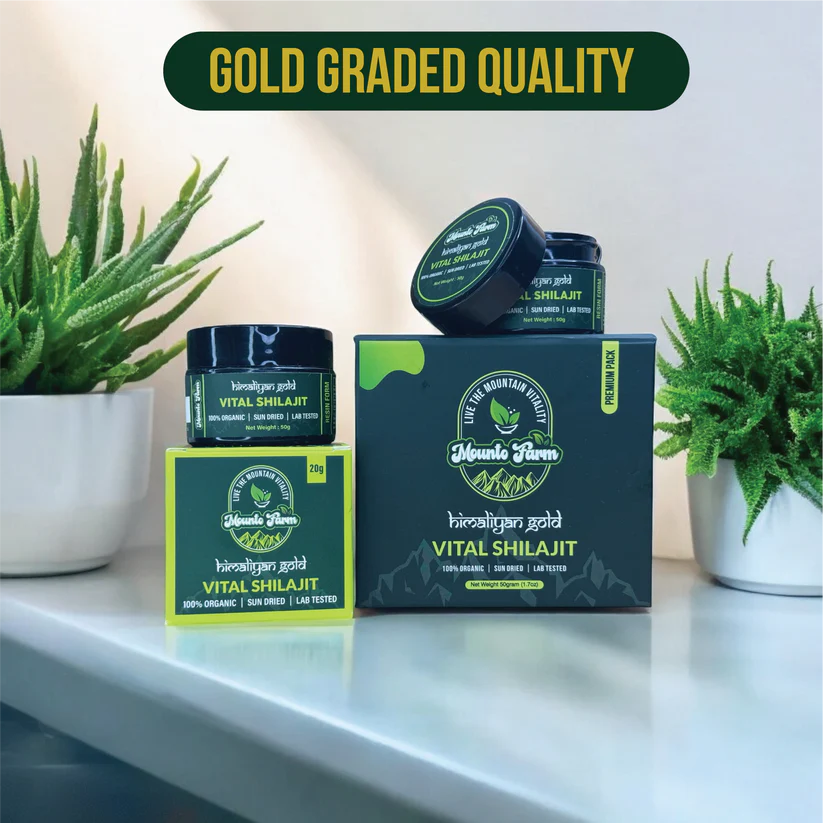
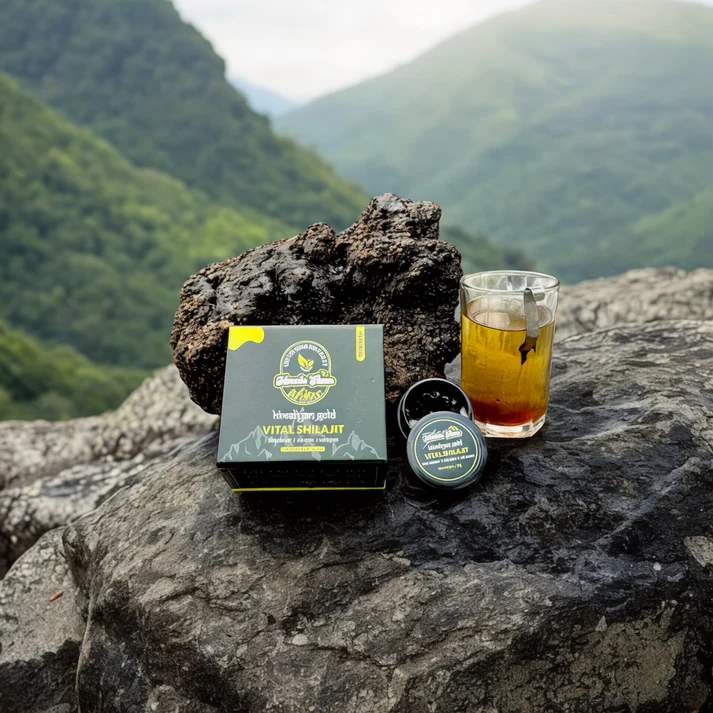
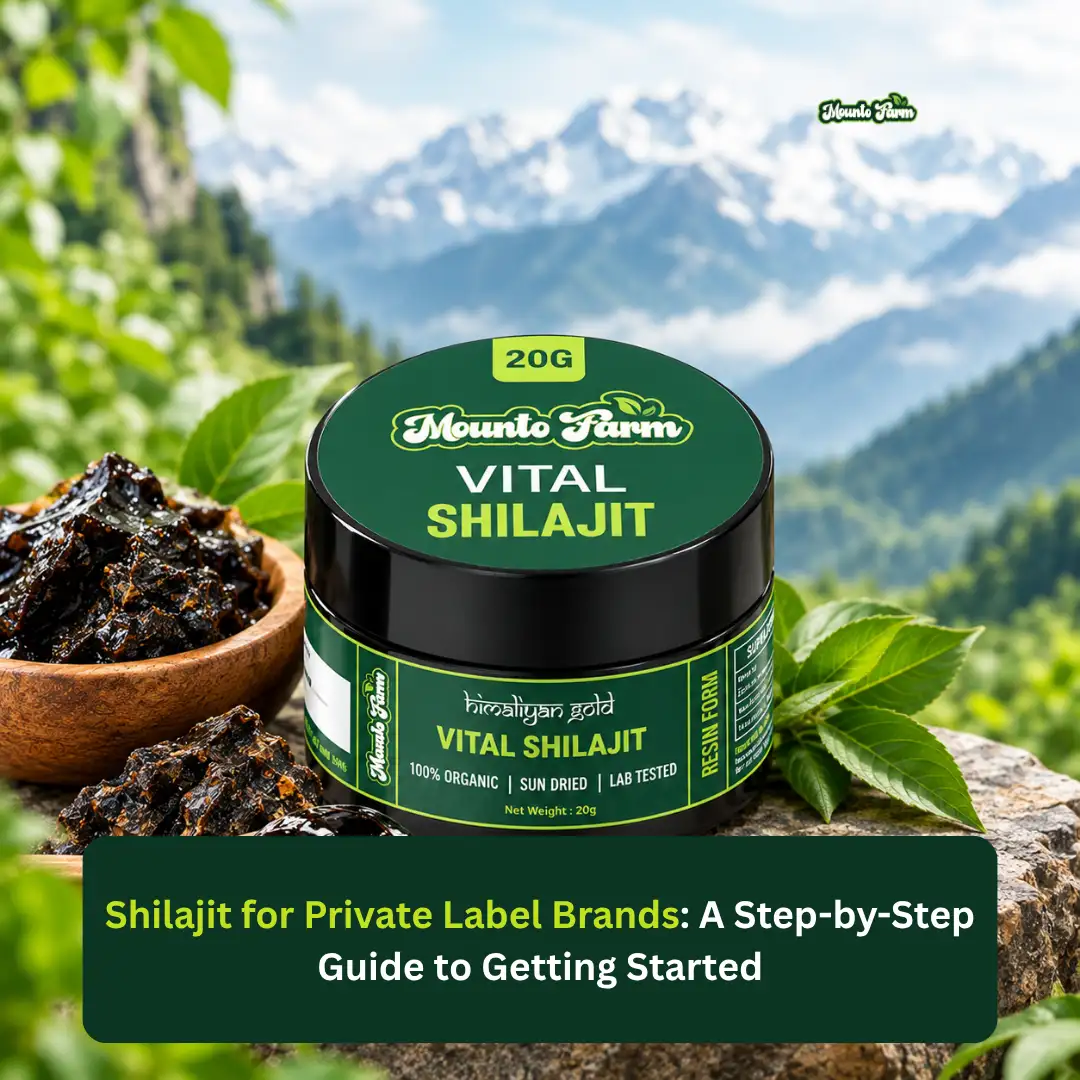
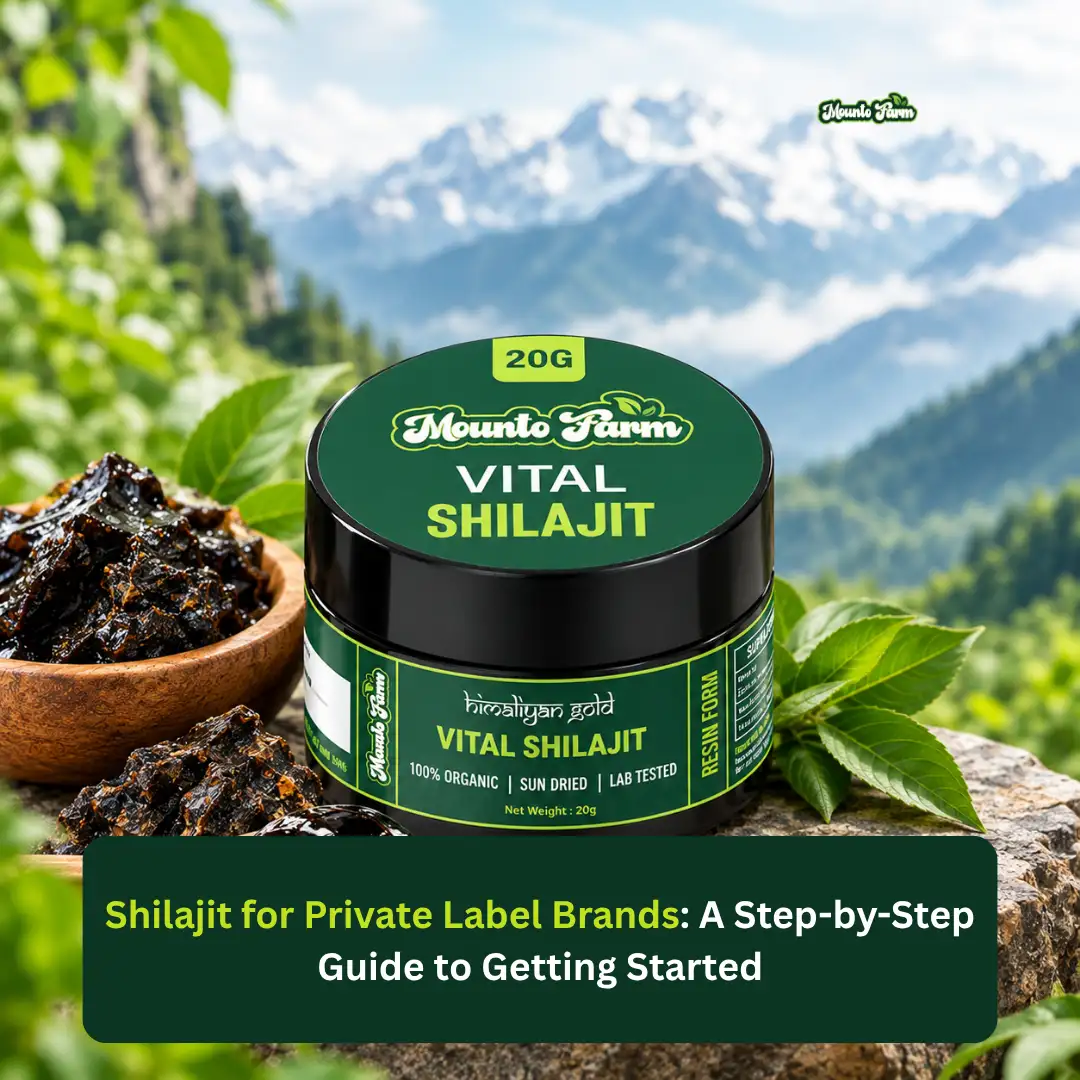
MountoFarm can be considered by businesses exploring Shilajit for Private Label Brands and wholesale supply. The brand provides information about its Shilajit sourcing and processing and offers a Vital Shilajit resin product.
MountoFarm states that its Shilajit comes from mountainous regions of Gilgit-Baltistan, including the Himalayas, Karakoram, and Hindukush. Its stated processing method includes spring-water soaking, filtration, and drying.
Businesses interested in private-label supply should contact MountoFarm directly to discuss available quantities, product specifications, packaging options, testing documentation, MOQ, and private-label requirements.
FAQs
What is private-label Shilajit?
Private-label Shilajit is a Shilajit product supplied for sale under a business’s own brand name and packaging.
What should I ask a private-label Shilajit supplier?
Ask about sourcing, purification, testing, MOQ, packaging, labelling, pricing, lead times, and future supply.
Is laboratory testing important for private-label Shilajit?
Yes. Testing can provide information about contaminants and product quality. Businesses should request relevant documentation before launching a product.
Can I create custom packaging for private-label Shilajit?
This depends on the supplier. Discuss custom labels, packaging formats, minimum quantities, and design requirements before placing an order.
i
Conclusion
Starting a Shilajit for Private Label Brands project requires careful planning. Sourcing, purification, laboratory testing, product format, packaging, MOQ, and regulatory requirements should all be reviewed before launching.
A reliable supplier can make the process easier by providing clear product information and consistent supply. MountoFarm is one supplier that private-label businesses can review when planning a Himalayan Shilajit product. Contact the brand directly to discuss your requirements, available formats, quantities, packaging, and quality documentation.