Table of Contents
What Is Shilajit OEM Manufacturing?
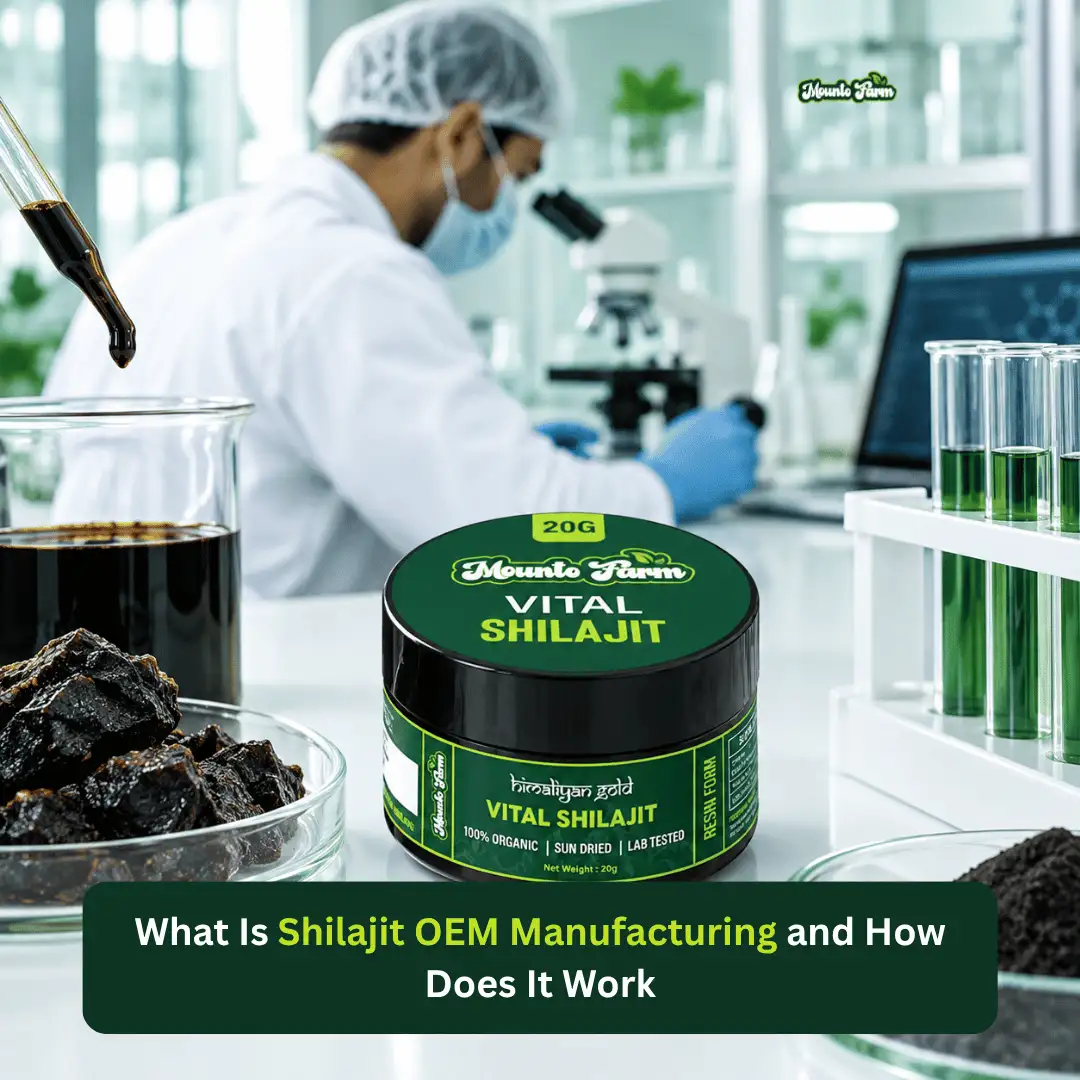
Shilajit OEM manufacturing refers to a manufacturing arrangement where a business works with another company to produce Shilajit products according to agreed requirements.
OEM stands for Original Equipment Manufacturer. In the supplement industry, the exact meaning can vary between suppliers. Some OEM companies may provide sourcing, processing, formulation, packaging, and labelling, while others may offer only selected services.
Therefore, it is important to ask exactly what an OEM supplier provides before placing an order.
An OEM arrangement can be useful for businesses that want to create their own Shilajit brand without building a complete manufacturing facility.
How Does Shilajit OEM Manufacturing Work?
The process can vary between manufacturers, but it normally starts with discussing your product requirements.
You may need to decide on the product format, quantity, packaging, label design, target market, and quality specifications. The manufacturer can then explain available options, minimum order quantities, production timelines, and pricing.
Once the requirements are agreed, the supplier prepares the product according to the agreed specifications. Depending on the arrangement, this can include sourcing raw material, purification, processing, testing, filling, labelling, and final packaging.
Before the finished products are shipped, the business should review the agreed specifications and available quality documentation.
Choosing a Shilajit OEM Supplier
Choosing the right supplier is one of the most important parts of Shilajit OEM manufacturing.
Do not compare suppliers only on price. Review their sourcing information, processing methods, testing procedures, packaging capabilities, production capacity, and business terms.
Useful questions include:
- Where is the Shilajit sourced?
- How is it purified?
- What laboratory testing is performed?
- What product formats are available?
- What is the minimum order quantity?
- Can packaging be customised?
- What is the production lead time?
- What documentation is provided?
Clear answers can help you understand whether a supplier is suitable for your business.
Shilajit Sourcing and Processing
Sourcing and processing are important when developing an OEM Shilajit product. Raw Shilajit can contain rock particles, dirt, and other unwanted materials, so purification and filtration are important considerations.
Ask the manufacturer to explain how the raw material is collected, cleaned, filtered, and prepared.
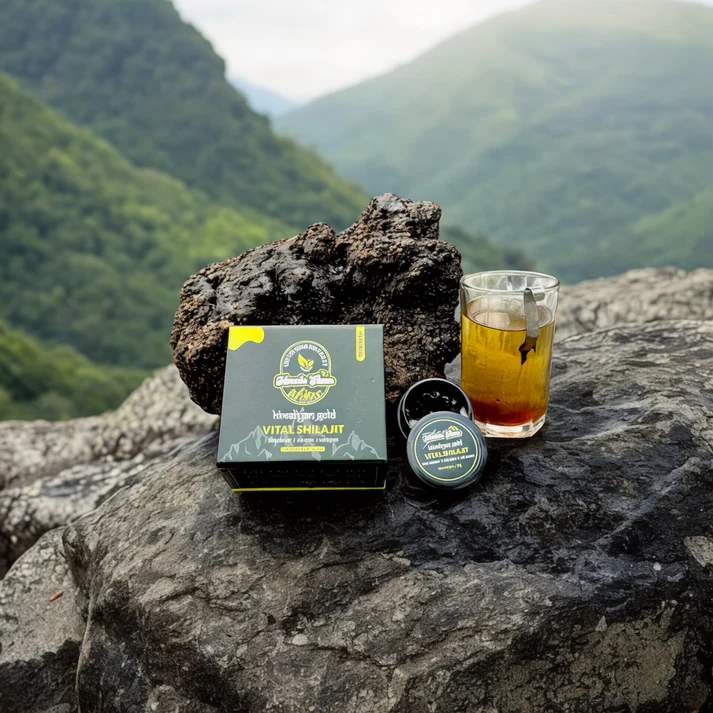
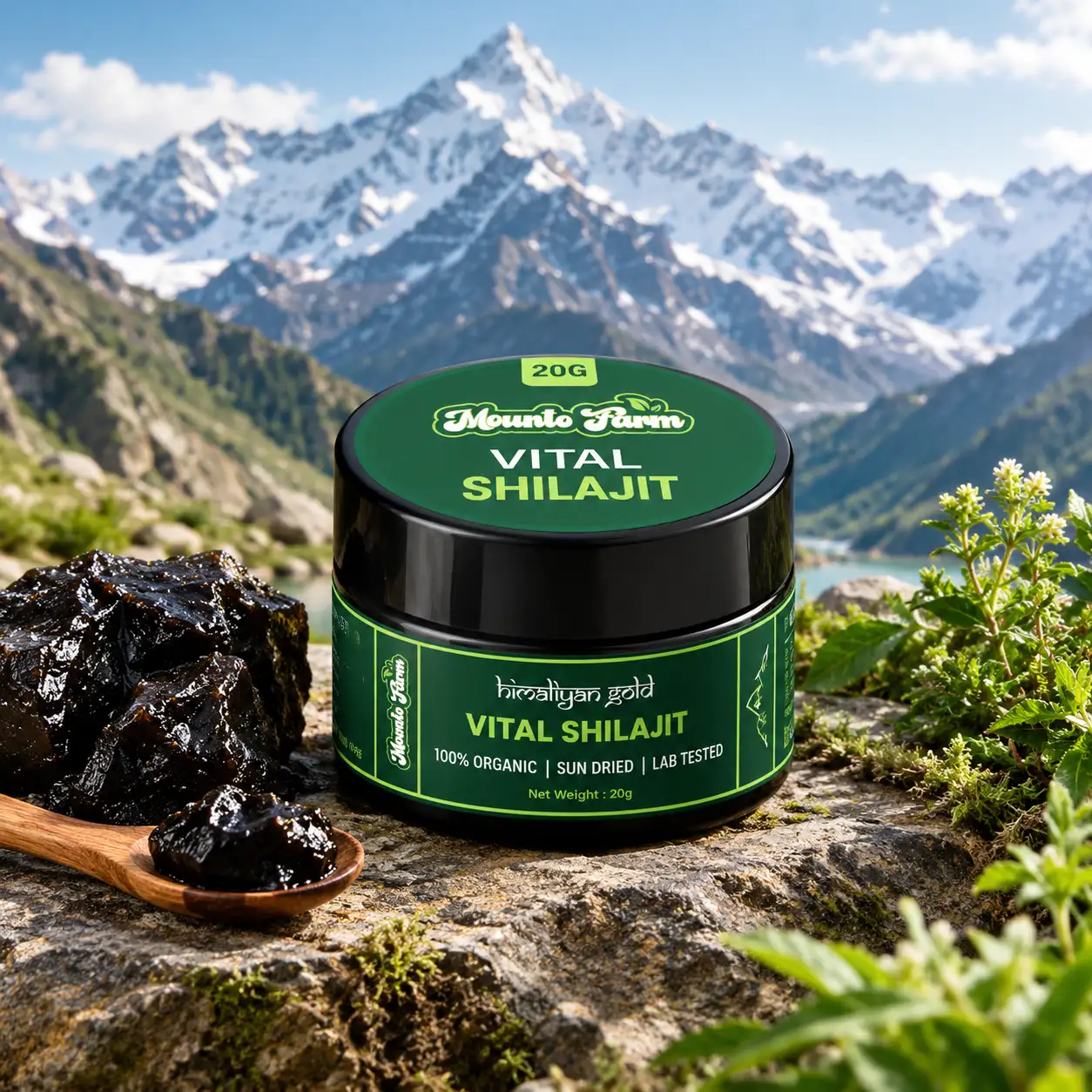
MountoFarm states that its Shilajit is sourced from mountainous regions including the Himalayas, Karakoram, and Hindukush areas of Gilgit-Baltistan. The brand describes a process involving crushing raw Shilajit, soaking it in Himalayan spring water, filtration, and drying.
Understanding these processes can help a business make better decisions about the product it plans to sell.
Laboratory Testing and Quality Control
Laboratory testing should be an important part of Shilajit OEM manufacturing. Shilajit can naturally contain heavy metals, so buyers should ask about testing for contaminants and other quality parameters.
Depending on the product and target market, testing may include:
- Heavy metals
- Microbial contamination
- Purity
- Product composition
- Batch information
- Other applicable safety parameters
Ask whether testing documentation is linked to the specific batch being supplied. A Certificate of Analysis can provide useful information when reviewing an OEM product.
Businesses should also make sure that any claims used on their packaging or website are accurate and appropriate for their target market.
Choosing the Product Format
An OEM supplier may offer different Shilajit formats, depending on its manufacturing capabilities. These can include resin, capsules, powder, or other supplement formats.
Your choice should depend on your target customers, pricing strategy, packaging requirements, and intended market.
Resin may suit a brand that wants to focus on a traditional Shilajit format, while capsules or other formats may be positioned around convenience.
Before choosing a format, confirm the product specifications and whether the supplier can maintain them across future batches.
Custom Packaging and Branding
One of the main reasons businesses consider Shilajit OEM manufacturing is the opportunity to create a product under their own brand.
Packaging can include your brand name, logo, product information, net quantity, ingredients, storage instructions, and other required details.
However, packaging requirements can vary by country. Before printing labels, check the rules that apply to supplements in your target market.
You should also avoid unsupported medical or guaranteed health claims. Your product information should accurately describe the product and comply with applicable regulations.
Minimum Order Quantity and Costs
OEM suppliers normally have minimum order quantities, often called MOQs. The MOQ can depend on product format, packaging, customisation, and production requirements.
Before starting production, ask for a complete cost breakdown. Consider the product, packaging, labels, testing, shipping, and other applicable costs.
A lower MOQ may be useful for a new brand, while established businesses may benefit from larger production runs.
Managing Production and Supply
OEM manufacturing does not end when the first batch is produced. You also need a plan for repeat orders and inventory management.
Track your sales and stock levels so you know when to reorder. Discuss production lead times with your supplier in advance.
It is also useful to understand how future batches will be tested and whether product specifications can remain consistent.
A reliable supply relationship can make it easier to maintain your product range as your brand grows.
Why Consider MountoFarm?
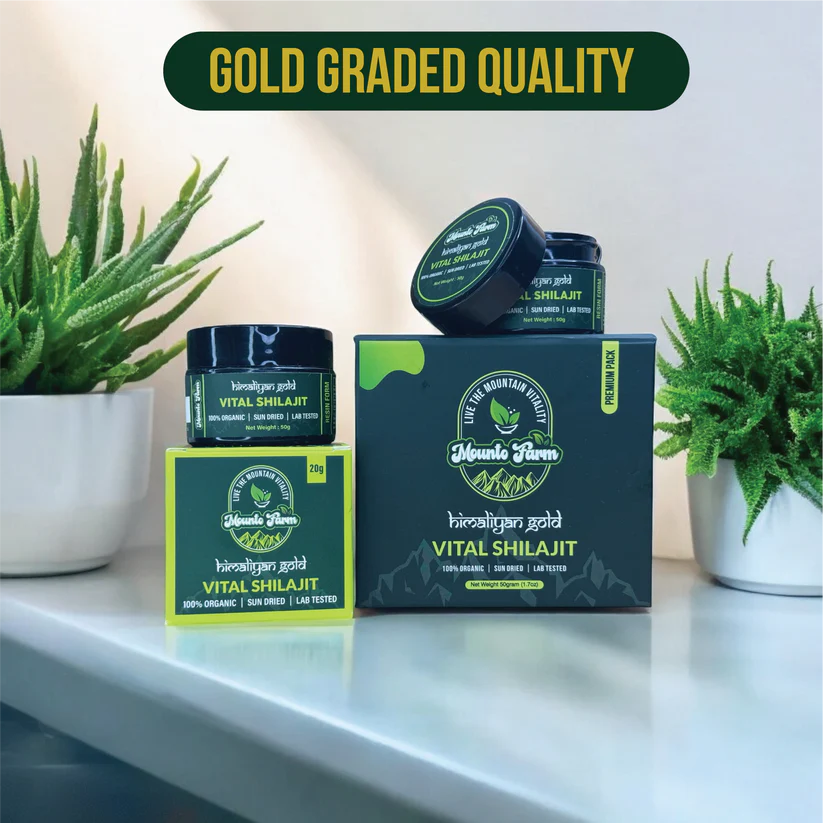
MountoFarm can be considered by businesses exploring Shilajit supply, wholesale, and private-label opportunities. The brand provides information about its Shilajit sourcing and processing and offers Vital Shilajit products.
MountoFarm states that its Shilajit is sourced from mountainous regions of Gilgit-Baltistan, including the Himalayas, Karakoram, and Hindukush. Its stated process includes spring-water soaking, filtration, and drying.
If you are interested in Shilajit OEM manufacturing, contact MountoFarm directly to discuss available product formats, wholesale quantities, packaging options, testing documentation, private-label services, and production requirements.
FAQs
What is Shilajit OEM manufacturing?
Shilajit OEM manufacturing is a business arrangement where a manufacturer produces Shilajit products according to agreed specifications for another brand.
Is OEM the same as private label?
They can overlap, but they are not always identical. OEM generally focuses on manufacturing, while private label refers more broadly to selling a supplier’s product under your own brand.
What should I check before choosing an OEM supplier?
Check sourcing, purification, laboratory testing, product formats, MOQ, packaging, pricing, production time, and documentation.
Can OEM Shilajit have custom packaging?
This depends on the manufacturer. Ask about custom labels, packaging formats, minimum quantities, and design requirements.
Conclusion
Shilajit OEM manufacturing can provide a practical route for businesses that want to launch their own Himalayan Shilajit products without managing every part of production themselves. However, choosing the right manufacturing partner is essential.
Review sourcing, purification, laboratory testing, product format, packaging, MOQ, costs, and future supply before starting production. If you are considering an OEM or private-label Shilajit project, MountoFarm is one supplier you can review and contact to discuss your specific requirements.