Table of Contents
What Is Shilajit?
To understand shilajit history, it is useful to first understand what shilajit is. Shilajit is a dark, sticky substance naturally associated with mountainous regions. It develops through long-term natural processes involving organic material and geological formations. Its composition can vary according to its geographical source, environment, and processing.
Shilajit is traditionally linked with the Himalayas and surrounding mountain regions. Sources are associated with areas of Pakistan, India, Nepal, Bhutan, and nearby regions. However, products sold today can differ greatly in quality, so sourcing and proper processing matter.
Early History of Shilajit
The early shilajit history developed alongside communities living near high-altitude mountain regions. Before modern laboratories existed, people relied on local knowledge to identify and collect naturally occurring material. This knowledge often passed from one generation to another.
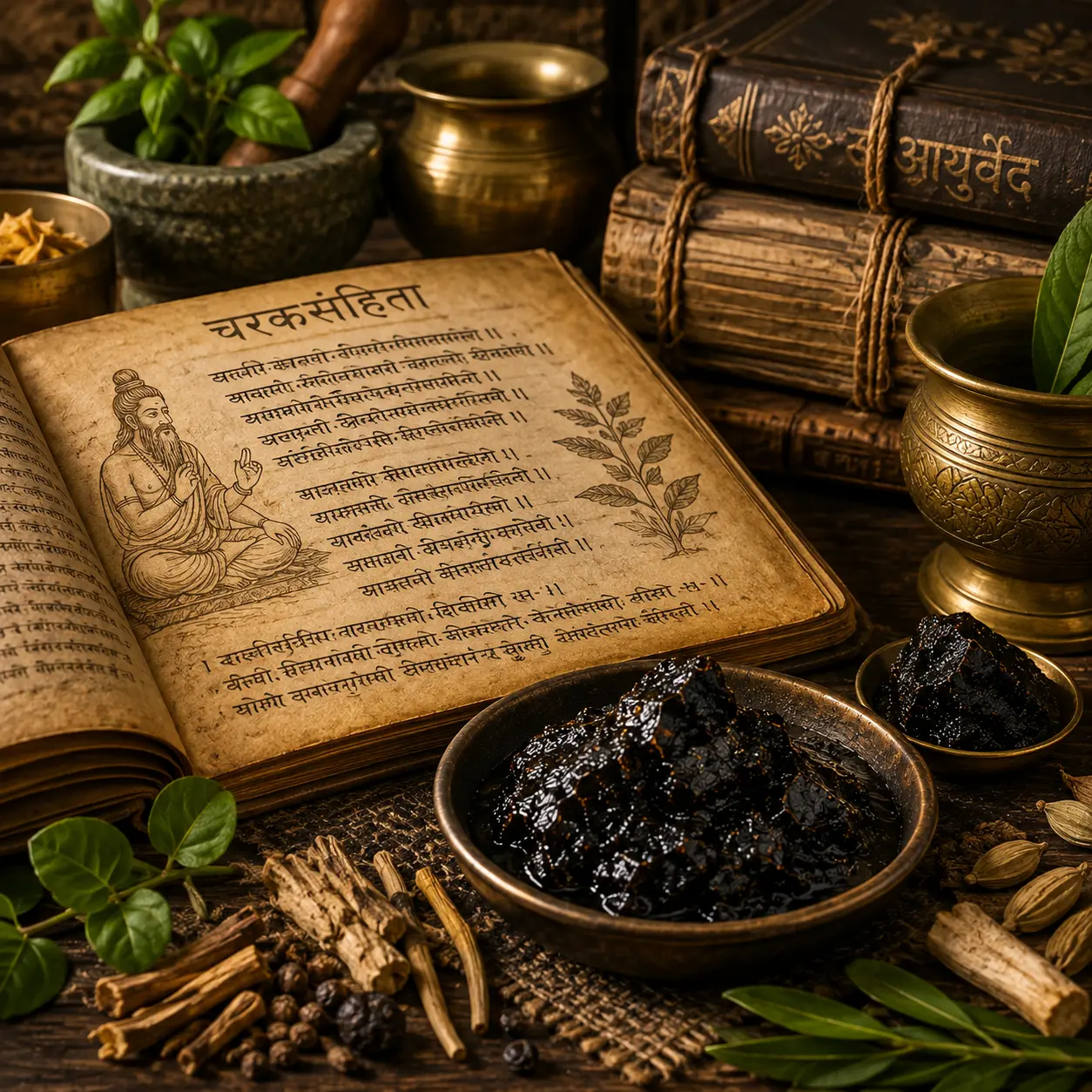
Written records also helped preserve information about shilajit. Traditional Ayurvedic literature refers to it as Shilajatu or Shilajit and describes its traditional preparation and uses. These records provide valuable insight into how people viewed and used the substance centuries ago.
Shilajit in Ancient Ayurvedic Tradition
Shilajit became part of traditional Ayurvedic practices many centuries ago. Practitioners included it in various formulations and traditionally associated it with strength, vitality, and general wellbeing. Some traditional sources also connect it with male wellness and physical stamina.
However, historical use should not be confused with modern scientific proof. Traditional records explain how people used shilajit, whereas modern research must assess specific health claims through scientific studies.
Shilajit in Himalayan Villages
Himalayan communities have played an important role in shilajit history. People living close to mountain formations developed practical knowledge about where the substance could appear and how to collect it. They also understood local weather, terrain, and seasonal conditions.
This knowledge helped keep traditional collection practices alive. Collectors often worked in difficult mountain environments, making experience especially valuable. As a result, shilajit remained closely connected with Himalayan culture and traditional knowledge.
Traditional Collection Methods
Collectors traditionally searched rocky mountain areas and natural cracks where dark material could occur. They relied on experience rather than modern equipment to identify suitable material.
After collection, the substance could undergo traditional cleaning and preparation. Methods differed between regions and communities. Therefore, historical shilajit did not follow one universal preparation process.
Traditional Uses of Shilajit
Traditional use forms a major part of shilajit history. Ayurvedic practitioners incorporated shilajit into different preparations and traditionally associated it with general vitality and physical wellbeing.
Historical practices also linked shilajit with male wellness and stamina. Nevertheless, these traditional uses do not automatically prove that shilajit can treat a specific medical condition. Modern consumers should consider traditional knowledge alongside current scientific evidence.
Shilajit and Traditional Wellness
Traditional practitioners generally used shilajit as part of a wider approach to wellbeing rather than as a single solution. Diet, lifestyle, and other traditional preparations could also form part of these practices.
Today, some marketing claims go much further than historical evidence. Therefore, consumers should distinguish between traditional use, modern research, and unsupported product claims.
How Shilajit Reached Wider Markets
For centuries, shilajit remained strongly associated with Himalayan and South Asian communities. However, traditional medicine and regional trade gradually introduced it to people living farther from its natural sources.
Traders and traditional practitioners helped spread knowledge about the substance. Written Ayurvedic sources also contributed to its wider recognition. As interest in traditional wellness increased, shilajit gradually moved from local mountain communities into broader markets.
The Role of Traditional Medicine
Traditional medicine helped preserve knowledge about shilajit and its preparation. Practitioners passed information through teaching, practice, and written records.
Later, growing international interest in traditional wellness created new demand. Consequently, shilajit became available in markets far beyond the Himalayan region.
Shilajit in the Modern Wellness Industry
Modern shilajit history shows how dramatically access has changed. Consumers no longer need to live close to Himalayan mountains to purchase shilajit. Specialist suppliers can now process, package, and distribute it internationally.
Today, shilajit is available in several forms, including resin, capsules, powders, and liquid products. Resin remains closely associated with the traditional format, while capsules and powders provide convenient alternatives.
From Resin to Modern Supplements
Modern manufacturers have developed different product formats for consumer convenience. Resin offers a concentrated, sticky format, while capsules provide pre-measured servings and easier handling.
However, the format does not prove authenticity. Consumers should also examine the source, processing methods, ingredients, and quality testing.
Modern Processing and Quality
Modern processing has added greater control to shilajit preparation. Responsible producers may use filtration and purification processes to remove unwanted material before packaging the final product.
Laboratory testing can also help assess product quality and identify contaminants. This matters because naturally collected substances can contain unwanted compounds. Therefore, modern testing provides an important quality check alongside traditional knowledge.
Why Laboratory Testing Matters
Consumers cannot confirm quality simply by looking at colour, smell, or texture. A reputable supplier should provide clear product information and, where appropriate, laboratory testing.
Testing may include checks for heavy metals and other contaminants. Clear sourcing information can also help consumers make better purchasing decisions.
Why Authenticity Matters
As global demand for shilajit has increased, authenticity has become an important issue. Products marketed as Himalayan shilajit may vary considerably in source, composition, and processing.
Before buying, consumers should consider:
- Clear sourcing information
- Ingredient details
- Purification methods
- Laboratory testing
- Heavy-metal testing where relevant
- Clear usage instructions
- Reputable supplier information
A higher price alone does not prove quality. Instead, transparent information and suitable testing provide more useful indicators.
Frequently Asked Questions About Shilajit History
Where Did Shilajit Originally Come From?
Shilajit is traditionally associated with high-altitude mountainous regions, particularly the Himalayas and surrounding areas. Its historical use developed among communities living near these mountain regions.
How Old Is Shilajit History?
The exact beginning of shilajit use is difficult to determine. However, references to Shilajatu and shilajit appear in traditional Ayurvedic literature dating back many centuries.
Was Shilajit Used in Ancient India?
Yes. Shilajit has a long history within traditional Ayurvedic practices across the Indian subcontinent. Traditional texts describe its preparation and use in different formulations.
How Was Shilajit Traditionally Collected?
Collectors searched mountain rocks and natural crevices where the substance occurred. They used local knowledge and experience to identify and prepare naturally collected material.
Is Modern Shilajit the Same as Traditional Shilajit?
Not always. Traditional preparation relied on regional methods, while modern producers may use controlled purification, filtration, and laboratory testing. Therefore, modern products can differ from historically prepared forms.
Why Is Shilajit Popular Today?
Its long traditional history, interest in natural wellness, and wider international availability have contributed to its modern popularity. Ecommerce has also made it easier to access worldwide.
Where Is Authentic Shilajit Found?
Authentic shilajit is traditionally associated with Himalayan and nearby mountainous regions. However, geographic claims alone cannot confirm quality. Buyers should also check sourcing, purification, testing, and supplier transparency.
Conclusion:
The shilajit history begins in the Himalayan mountains, where local communities collected a naturally occurring substance and incorporated it into traditional wellness practices. Over centuries, Ayurvedic knowledge, regional trade, and cultural exchange helped spread awareness of shilajit. Today, modern processing and global commerce have made it available far beyond its traditional home. Even so, its Himalayan roots remain an important part of its story, while responsible sourcing, purification, and quality testing matter for today’s consumers.
Explore authentic Himalayan shilajit from Mountofarm and bring centuries of traditional wellness into your routine.