Table of Contents
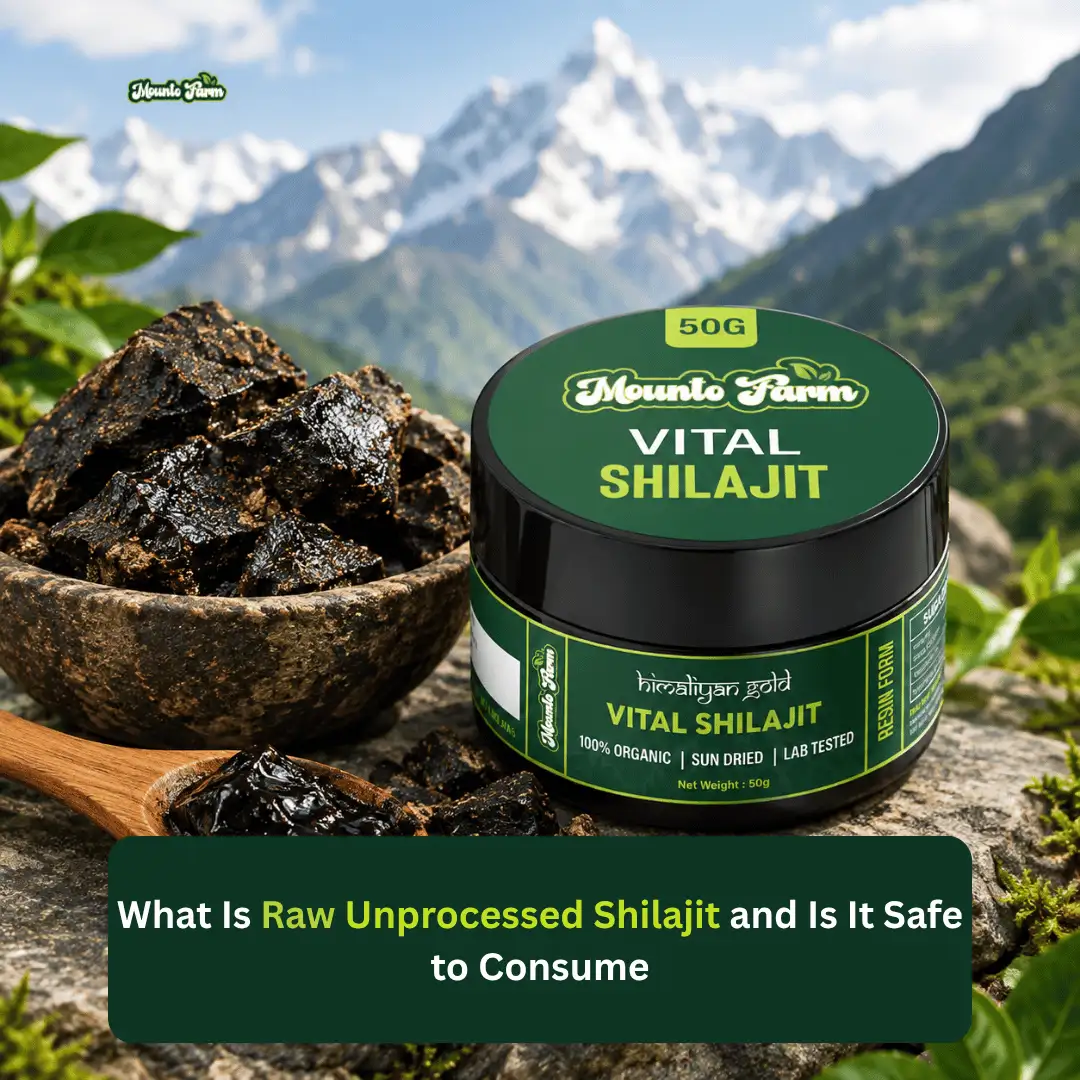
What Is Raw Unprocessed Shilajit?
Raw Unprocessed Shilajit refers to material collected directly from natural mountain deposits before it has been properly cleaned, filtered, and purified. Its appearance, texture, and composition can vary depending on its geographical source and surrounding environment. Because it is collected in its natural state, it may contain materials that should be removed before the product is prepared for consumption.
Natural Composition of Raw Shilajit
Shilajit naturally contains organic substances and minerals that develop over long periods in mountainous environments. Its composition is not exactly the same in every location because environmental conditions can differ. Soil, rocks, vegetation, altitude, and geographical origin can all influence the raw material.
For this reason, the term “natural” does not provide enough information about the quality of a particular sample. Proper processing and testing are important when raw Shilajit is being prepared as a consumer product.
What May Be Present in Raw Shilajit?
Since raw Shilajit comes directly from a natural environment, it may contain soil, small rock particles, plant material, and other environmental debris. Depending on its source, unwanted contaminants may also be present.
These substances cannot always be identified simply by looking at the product. Therefore, proper purification and suitable laboratory testing are important steps before raw Shilajit is sold as a finished supplement.
Where Does Raw Shilajit Come From?
Shilajit is naturally associated with high-altitude mountain regions, including areas of the Himalayas and Karakoram. It develops naturally within rocky mountain environments and is collected from deposits found in these regions.
However, geographical origin alone does not guarantee product quality. The way Shilajit is collected, handled, purified, packaged, and tested can have an important effect on the quality of the final product.
Mountain Collection and Sourcing
Collecting Shilajit from mountainous areas can be challenging because of high elevations and difficult terrain. Once collected, the raw material needs to be handled carefully to reduce the risk of unwanted contamination.
A responsible supplier should have clear information about where the raw material comes from and how it is handled after collection. This gives consumers a better understanding of what they are actually purchasing.
Why Source Information Matters
The source of Shilajit can provide useful information about its origin, but it should not be the only factor used to judge quality. Claims such as “mountain sourced” or “Himalayan” do not automatically mean that a product is purified or tested.
Therefore, buyers should look at the complete product information, including sourcing, purification, testing, ingredients, and packaging.
Is Raw Unprocessed Shilajit Safe to Consume?
Raw Unprocessed Shilajit should not automatically be considered safe for direct consumption. Because it has not necessarily gone through proper cleaning and purification, unwanted materials may remain in the raw substance.
In addition, naturally occurring contaminants can sometimes be present in mineral-based products. Some Shilajit samples have been reported to contain heavy metals, which is why quality testing is an important consideration.
Heavy Metals and Other Contaminants
Heavy metals such as lead, arsenic, mercury, and cadmium can be a concern in some Shilajit products. Their presence and levels can vary according to the source and processing of the material.
Importantly, these substances cannot be reliably identified by color, smell, taste, or texture. This is why consumers should not judge safety based only on how raw or natural a Shilajit product looks.
Why Laboratory Testing Matters
Laboratory testing provides information that cannot be obtained from appearance alone. Depending on the testing program, it can help identify contaminants and assess relevant quality parameters in the finished product.
Therefore, buyers should look for suppliers that take quality control seriously and provide clear information about testing. A product being labeled “pure” or “natural” is not, by itself, proof of safety.
Why Does Shilajit Need Purification?
Purification is an important step between raw Shilajit and a finished consumer product. The purpose of processing is to remove unwanted materials and prepare the substance for further quality control.
Different suppliers may use different purification methods. Therefore, consumers should pay attention to whether a brand clearly explains how its Shilajit is cleaned and processed.
Cleaning and Filtration
Raw Shilajit may contain soil, rock particles, plant matter, and other unwanted material. Cleaning and filtration are used to separate these materials from the desired Shilajit substance.
Proper processing can therefore make the final product different from the material originally collected from the mountains. However, purification should not be viewed as a replacement for testing. Both processes are important for responsible product preparation.
Testing the Finished Product
After processing, quality control should continue with the finished product. Testing can provide information about contaminants and other relevant characteristics.
This is especially important because a product may look clean while still containing substances that cannot be detected by sight. Therefore, transparent testing information can help consumers make a more informed purchasing decision.
Raw vs. Purified Shilajit
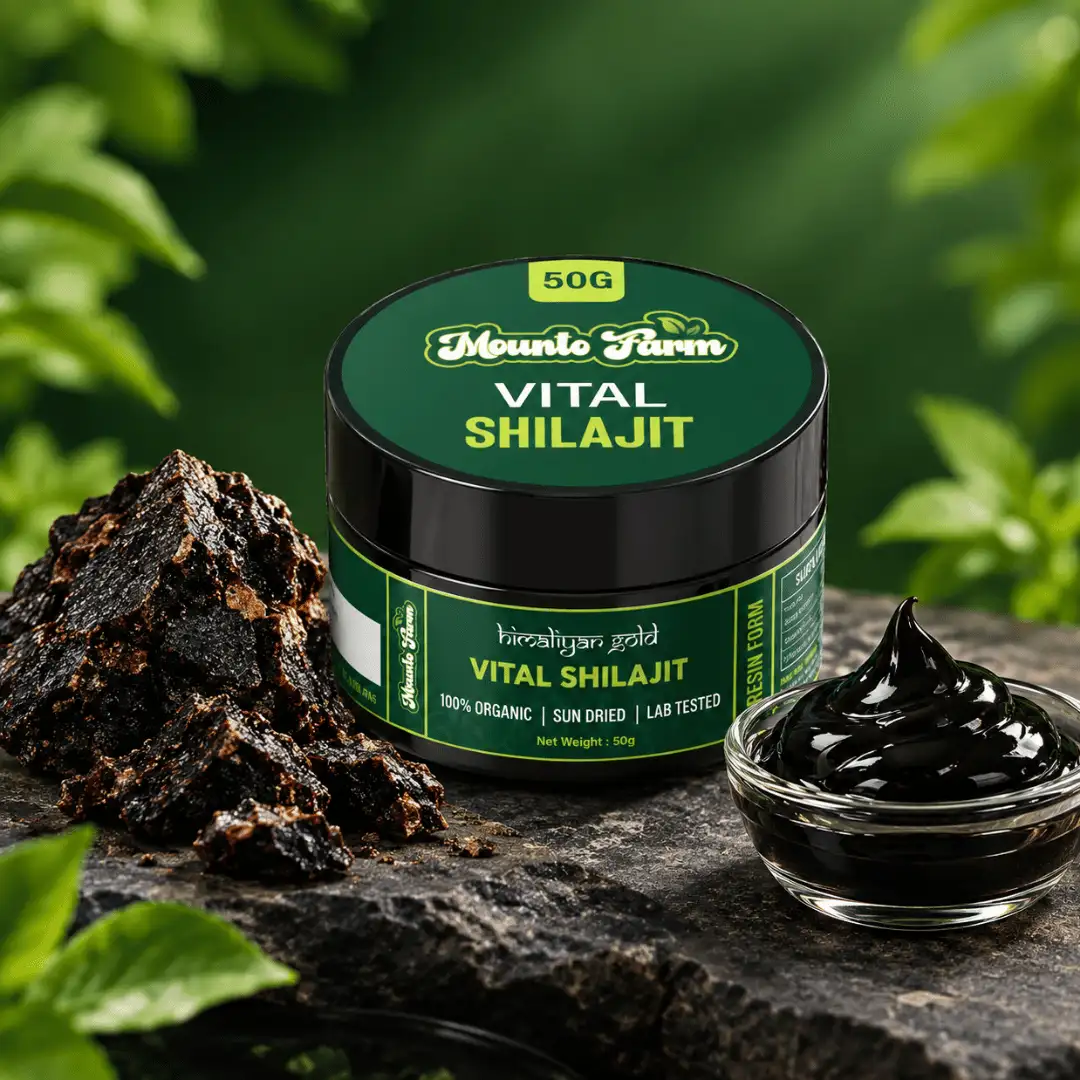
Raw and purified Shilajit are not necessarily two completely different substances. Instead, they generally represent different stages of processing. Raw Shilajit comes directly from its natural source, while purified Shilajit has undergone additional cleaning and processing.
Raw Shilajit
Raw Shilajit has little or no processing after collection. Because of this, it may still contain environmental debris and other unwanted substances.
For this reason, consumers should not assume that raw Shilajit is ready to consume simply because it comes from a natural mountain source.
Purified Shilajit
Purified Shilajit has gone through processing intended to remove unwanted particles and impurities. A properly prepared finished product should also be supported by suitable quality-control procedures.
Therefore, when comparing products, buyers should consider purification together with laboratory testing, sourcing, packaging, and supplier transparency.
What Should Buyers Look For?
Instead of focusing only on whether Shilajit is described as “raw,” “natural,” or “pure,” consumers should consider the complete quality picture.
Important factors include:
- Clear information about the source
- Proper cleaning and purification
- Suitable laboratory testing
- Transparent ingredient information
- Appropriate packaging and storage instructions
- A supplier that avoids unrealistic health claims
How to Choose Quality Shilajit
Choosing a Shilajit product requires more than checking its appearance or reading a few words on the label. A quality-focused buyer should consider how the product was sourced, processed, tested, and packaged.
Check the Purification Process
Look for information about how the Shilajit was cleaned and purified. A supplier that provides clear processing information gives consumers a better understanding of how the raw material becomes a finished product.
However, purification claims should still be considered alongside laboratory testing and other quality information.
Look for Laboratory Testing
Laboratory testing is one of the most useful quality indicators because contaminants such as heavy metals cannot be reliably detected by appearance.
If testing information is available, check what parameters were tested and whether the information relates to the finished product. This provides more useful information than simply relying on general claims such as “100% natural.”
Check the Packaging and Product Information
Good packaging should clearly identify the product and provide relevant information such as ingredients, storage instructions, net weight, and usage guidance where applicable.
In addition, buyers should be cautious of products that make extreme or unrealistic health claims. Clear product information is generally a better sign of responsible marketing.
Frequently Asked Questions About Raw Unprocessed Shilajit
Is Raw Unprocessed Shilajit Safe to Consume?
Raw Shilajit should not automatically be considered ready for consumption. It may contain environmental debris or contaminants, so proper purification and testing are important before use.
What Is the Difference Between Raw and Purified Shilajit?
Raw Shilajit is collected directly from its natural source and may contain unwanted material. Purified Shilajit has undergone additional cleaning and processing before being prepared as a finished product.
Can You Tell If Shilajit Is Pure by Looking at It?
No. Color, texture, smell, and appearance cannot reliably confirm the absence of contaminants. Laboratory testing provides more useful information about product quality.
Why Is Shilajit Purification Important?
Purification helps remove unwanted material from the raw substance. It is an important processing step, but suitable laboratory testing is also needed to provide additional information about the finished product.
Is Himalayan Shilajit Automatically Safe?
No. A Himalayan source does not automatically guarantee safety or quality. Buyers should also consider purification, testing, sourcing, and the supplier’s quality-control practices.
Conclusion
Raw Unprocessed Himalayan Shilajit is a natural mountain-sourced material, but natural does not always mean ready for consumption. Proper purification, quality control, and laboratory testing are important when choosing a finished Shilajit product.
Choose purified and quality-tested Shilajit from a trusted supplier—shop MountoFarm today.