
Table of Contents
Why Shilajit Sources Matter
The geographical source of Shilajit can affect how collectors access, process, and identify the material. Shilajit forms naturally in mountainous regions over long periods as plant matter and organic material undergo geological changes. Consequently, different mountain areas can produce material with varying mineral and organic profiles.
Mountain Origin and Natural Formation
Shilajit develops in high-altitude mountain environments where geological and biological processes occur over long periods. Temperature changes, rock formations, plant material, and soil conditions all contribute to its formation. As a result, deposits do not occur evenly across every mountain range.
Why Location Can Affect Availability
A remote source does not automatically mean better quality. However, location can affect how easily collectors can reach deposits and transport raw material. Therefore, a source with fewer accessible collection areas may have lower commercial availability than more established Himalayan sources.
What Makes Karakoram Shilajit Rarer?
Karakoram Shilajit can be harder to source because many potential collection areas exist in rugged, high-altitude terrain. Steep mountains, harsh weather, limited roads, and seasonal access can make collection difficult. In addition, natural deposits are not unlimited, so responsible sourcing remains important.
Remote Collection Areas
Many parts of the Karakoram are mountainous and difficult to access. Collectors may need to travel through steep terrain and deal with changing weather conditions. Consequently, gathering naturally occurring Shilajit can require more time, planning, and physical effort.
Limited Accessible Deposits
Not every location contains collectable Shilajit. Even when natural material exists, it may occur in small quantities or in locations that are difficult to reach. Therefore, commercially available Karakoram material can be less common than Shilajit sourced from better-established collection areas.

Karakoram vs. Himalayan Shilajit
Both Karakoram and Himalayan Shilajit originate from mountainous environments, but their geographical sources differ. The Himalayas cover a vast area across several countries, while the Karakoram forms a more specific mountain system. Because source regions differ, availability, collection practices, and mineral composition may also vary.
Geographic Difference
The Karakoram is a major mountain range located mainly in Pakistan, India, and China. The Himalayas extend across a much broader region. This difference in geography means that “Himalayan Shilajit” can refer to material from many different locations and collection zones.
Availability and Supply
Himalayan Shilajit has a larger and more established commercial market. Karakoram-sourced material may have a smaller supply chain because of its remote origin. However, rarity should not be confused with guaranteed purity or higher nutritional value.
How Geography Affects Collection
Mountain geography plays an important role in how naturally occurring Shilajit reaches consumers. Collection sites may sit at high elevations, while weather and terrain can restrict access during certain seasons. Furthermore, transporting raw material from remote areas adds another challenge to the supply process.
High-Altitude Conditions
High elevations can bring cold temperatures, snow, strong winds, and sudden weather changes. These conditions can shorten the practical collection season. As a result, collectors may have fewer opportunities to obtain naturally occurring material.
Transportation Challenges
Once collected, raw Shilajit needs careful handling and transportation. Remote mountain routes can make this process slower and more expensive. Therefore, a smaller supply does not necessarily reflect demand alone; geography can play a major role.
Why Purity and Testing Matter
Rarity alone should never determine whether Shilajit is a quality product. Proper processing, cleanliness, and laboratory testing matter just as much. Since raw material can contain unwanted contaminants, reputable suppliers should have appropriate quality-control procedures.
Look for Laboratory Testing
Consumers should look for products that provide credible laboratory testing or certificates of analysis. Testing can help assess contaminants and confirm important quality parameters. Therefore, buyers should evaluate evidence rather than rely only on claims about mountain origin.
Check Processing and Packaging
Quality Shilajit should come from a supplier that explains its processing and packaging practices clearly. Clean packaging, proper storage, batch information, and transparent product details can help consumers make a better choice.
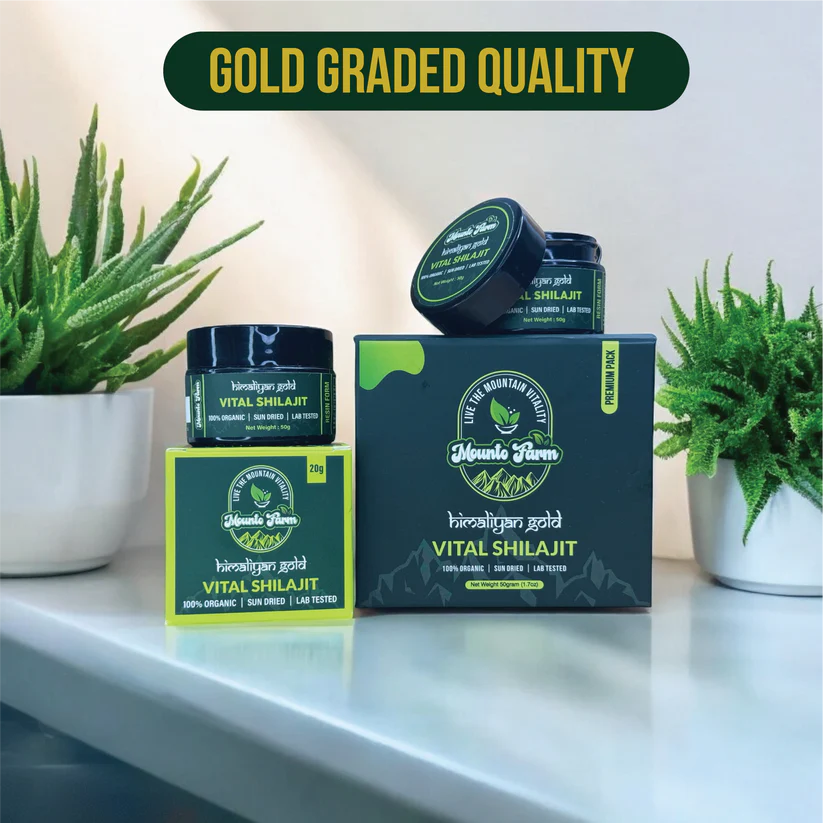
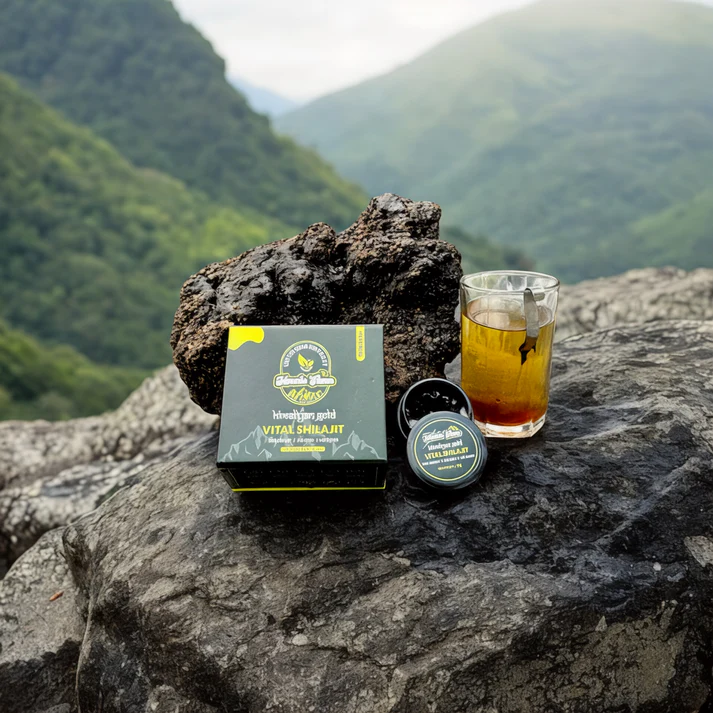
Image suggestion: Premium Shilajit resin jar beside a laboratory testing report and natural mountain stones.
How to Choose Quality Karakoram Shilajit
Choosing Karakoram Shilajit requires more than checking the name on the label. Buyers should consider source information, processing methods, testing, packaging, and supplier transparency. In addition, they should avoid products that make unsupported claims about health effects or guaranteed superiority.
Important Buying Factors
- Clearly stated source
- Laboratory testing or certificate of analysis
- Information about purification
- Clean and secure packaging
- Transparent ingredient information
- Reputable supplier
- Realistic product claims
FAQs About Karakoram Shilajit
Why is Karakoram Shilajit considered rare?
Its rarity is mainly associated with remote collection areas, difficult mountain terrain, limited accessible deposits, and a smaller commercial supply.
Is Karakoram Shilajit better than Himalayan Shilajit?
Not necessarily. Origin alone does not prove superior quality. Purity, testing, processing, and responsible sourcing are important factors.
What should buyers check before purchasing?
Look for verified sourcing information, laboratory testing, purification details, secure packaging, and a supplier that provides clear product information.
Conclusion
The rarity of Karakoram Pure Shilajit comes primarily from its geographical source, difficult collection conditions, limited accessible deposits, and smaller supply chain. However, rarity does not automatically mean better quality. Buyers should also consider laboratory testing, purification, responsible sourcing, and transparent packaging when comparing Shilajit products. Ultimately, Karakoram Shilajit is best evaluated through both its origin and the evidence supporting its quality.
Choose quality you can trust—shop our premium Shilajit today and experience the difference.