Table of Contents
What Is Private Label Shilajit?
Private label Shilajit generally refers to a product supplied by a manufacturer or supplier for sale under your own brand. Depending on the supplier, you may have more opportunities to customise the product, packaging, specifications, or presentation.
For example, a business may work with a supplier to select a particular Shilajit format, packaging style, label design, and product specifications.
The exact level of customisation depends on the supplier, so it is important to discuss these details before placing an order.
What Is White Label Shilajit?
White label Shilajit usually refers to an existing product that a supplier already produces and makes available to multiple businesses. The business can then place its own branding or label on the product.
This model can be simpler because the product has already been developed and may already have established packaging and specifications.
For a new business, white labelling can reduce the amount of product development required. However, there may be fewer opportunities to customise the actual product.
Private Label vs White Label Shilajit
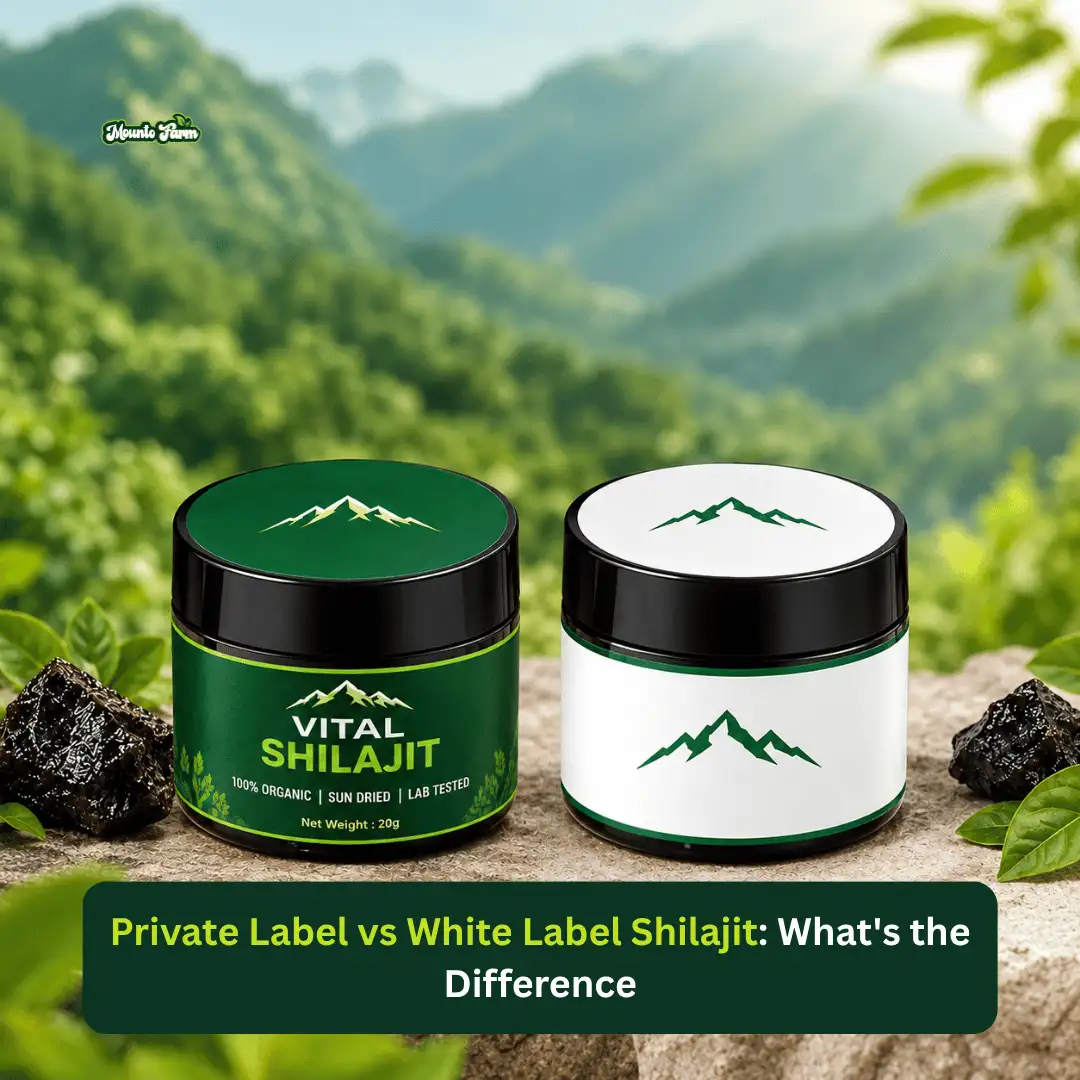
The main difference between private label vs white label Shilajit is the level of customisation.
With private label, a business may have more control over product specifications and presentation, depending on the supplier’s capabilities. White label generally involves using an existing product with your branding added to it.
Neither option is automatically suitable for every business. Your choice should depend on your budget, desired level of control, launch timeline, and target customers.
Product Customisation
Customisation can be an important factor when comparing private label vs white label Shilajit.
Private-label arrangements may allow businesses to discuss product format, packaging, quantity, specifications, and other requirements with the supplier.
White-label products are usually based on an existing product. Therefore, the business may have fewer choices regarding the product itself.
If you want a product that closely matches your brand’s specifications, ask the supplier exactly what can be changed before signing an agreement.
Packaging and Branding
Both models can allow you to sell Shilajit under your own brand name, but the packaging process can vary.
With white label, the supplier may already have a standard product and packaging format. Your branding can then be applied according to the available options.
With private label, you may have more involvement in packaging selection, label requirements, and product presentation.
In either case, make sure the final packaging meets the applicable requirements of the market where you intend to sell the product.
Minimum Order Requirements
Minimum order quantity, or MOQ, is another important consideration.
A supplier may have different MOQs for standard white-label products and more customised private-label products. Custom packaging, labels, product specifications, and production requirements can affect the minimum quantity.
Before ordering, ask about:
- Minimum order quantity
- Product price
- Packaging options
- Label requirements
- Production time
- Testing documentation
- Shipping arrangements
- Repeat-order terms
This information can help you understand the total investment before launching your product.
Which Model Fits Your Business?
If you want a simpler route to market and are comfortable using an existing product, white label may fit your business model.
If you want greater involvement in product specifications and branding, private label may offer more flexibility.
For a new business, the decision may also depend on available budget and expected sales volume. A business should consider how much customisation it actually needs rather than choosing a model based only on its name.
Quality and Testing
Regardless of whether you choose private label or white label, quality should remain an important consideration.
Ask the supplier about Shilajit sourcing, purification, processing, laboratory testing, and batch information. Shilajit can naturally contain heavy metals, so relevant testing documentation is important when evaluating a product.
You should also make sure that the product information used on your packaging and website is accurate and supported by appropriate documentation.
Why Consider MountoFarm?
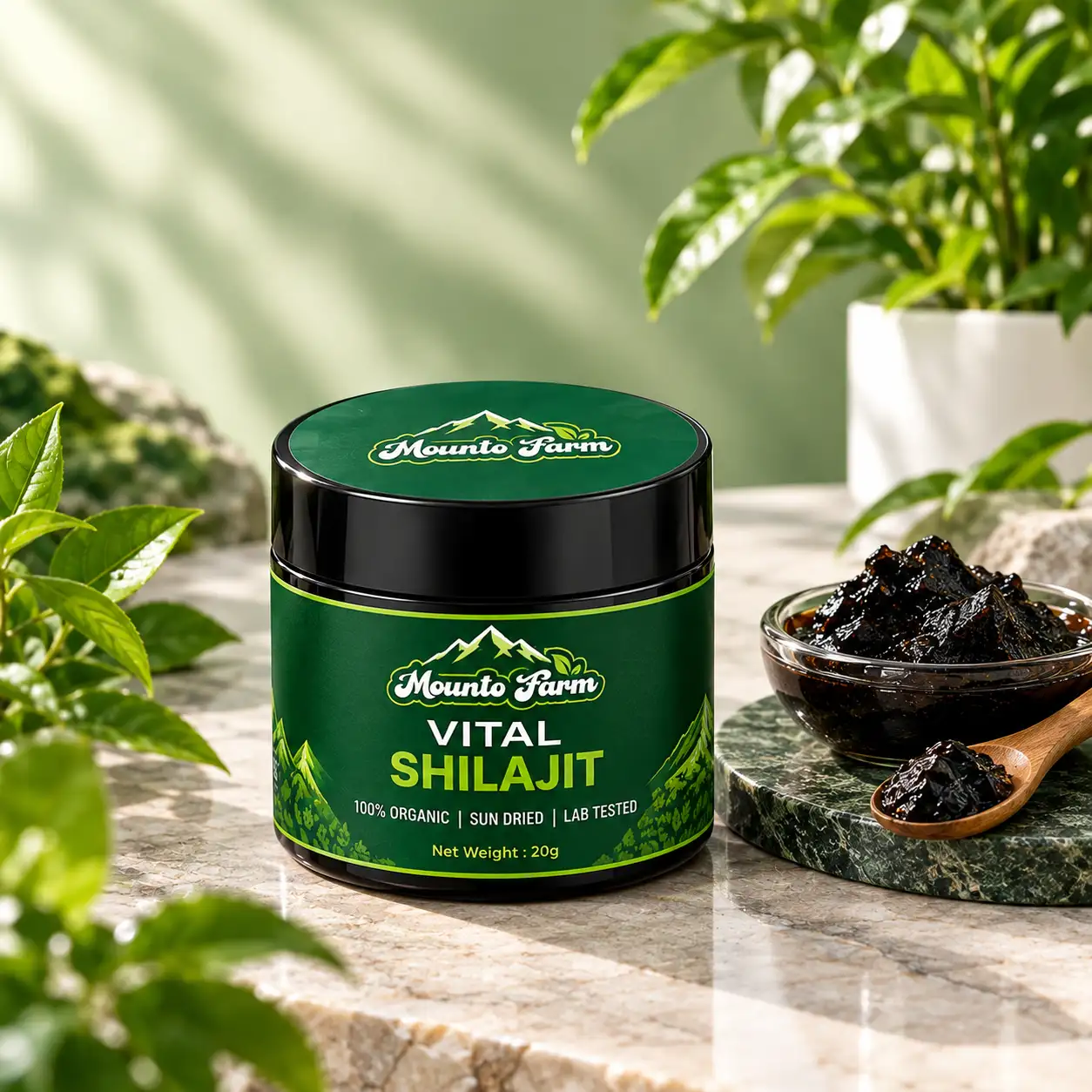
MountoFarm can be considered by businesses looking for Shilajit supply for their own brand. The brand provides information about its sourcing and processing and offers Vital Shilajit products.
MountoFarm states that its Shilajit is sourced from mountainous regions including the Himalayas, Karakoram, and Hindukush areas of Gilgit-Baltistan. Its stated process includes spring-water soaking, filtration, and drying.
If you are comparing private label vs white label Shilajit, contact MountoFarm directly to ask about available wholesale and private-label options, product formats, minimum quantities, packaging, testing documentation, and customisation.
FAQs
Is private label Shilajit the same as white label Shilajit?
Not necessarily. White label generally uses an existing product with your branding, while private label can provide more opportunities for product and packaging customisation.
Which option requires more customisation?
Private label arrangements generally offer more potential for customisation, but the exact options depend on the supplier.
Can I sell white-label Shilajit under my own brand?
Yes, where the supplier offers white-label services and the relevant legal and labelling requirements are met.
What should I ask a Shilajit supplier?
Ask about sourcing, purification, testing, MOQ, packaging, product specifications, pricing, lead times, and private- or white-label services.
Conclusion
Understanding private label vs white label Shilajit can help you choose a suitable model for your business. White label generally involves an existing product with your branding, while private label can provide greater opportunities to customise the product and packaging.
Before making a decision, compare the supplier’s MOQ, pricing, testing, sourcing, packaging, customisation options, and future supply terms.
If you are considering starting your own Himalayan Shilajit brand, MountoFarm is one supplier you can review for wholesale and private-label requirements. Contact the brand directly to discuss your product and branding needs.