
Table of Contents
What Is Shilajit?
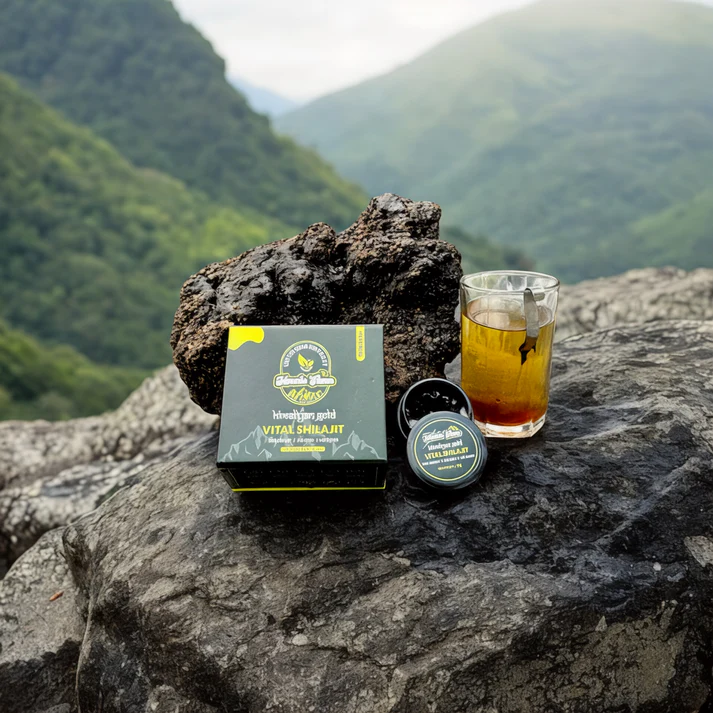
Shilajit is a naturally occurring substance traditionally collected from mountainous regions. Its composition can vary depending on its geographical source, and research has identified humic substances, minerals and several organic compounds within it. A comprehensive review found that much of its composition consists of humic substances, while calcium, potassium and magnesium are also present.
Traditionally, shilajit has been used for general wellness rather than specifically for acne. Modern research has examined its antioxidant, anti-inflammatory and other biological properties. However, relatively few well-controlled human studies have investigated its effects, so claims about specific skin benefits should remain cautious.
Can Shilajit Help With Acne?
There is currently not enough clinical evidence to confirm that shilajit treats acne.
Acne develops through several interacting factors, including excess sebum production, blocked hair follicles, bacteria and inflammation. Therefore, treating acne usually requires an approach that addresses the specific cause and severity of the condition.
Research into herbal and nutritional approaches to acne is growing. However, evidence involving other herbal ingredients cannot automatically be applied to shilajit. The available research on shilajit itself does not yet provide strong clinical proof that taking it reduces pimples, blackheads or acne lesions.
Therefore, shilajit for acne should be viewed as an area of interest rather than an established acne treatment.
Why Inflammation Matters for Acne
Inflammation is an important part of acne development, particularly in red and swollen lesions. This is one reason researchers are interested in substances that may influence inflammatory and oxidative processes.
Reviews of shilajit research have reported potential anti-inflammatory and antioxidant activity. However, much of the evidence comes from laboratory and animal research rather than large clinical trials involving people with acne.
This distinction matters. A substance showing an anti-inflammatory effect in a laboratory does not automatically mean that it will clear acne when consumed.
Consequently, more human research is needed before shilajit can be considered a reliable option for managing acne-related inflammation.
Shilajit, Antioxidants and Skin Health
Oxidative stress is another area of interest in skin research. Antioxidants help protect cells from damage caused by reactive molecules, and maintaining a balanced diet rich in nutrients can support normal skin function.
Shilajit contains various compounds that have been investigated for antioxidant activity. A review of its safety and efficacy reported antioxidant and anti-inflammatory properties among the biological activities studied.
Still, this does not establish that shilajit improves skin clarity, reduces acne scars or prevents breakouts. Skin health depends on many factors, including genetics, hormones, diet, sleep, skincare habits and environmental exposure.
Could Shilajit Support Skin From the Inside?
The idea behind shilajit for acne is based partly on supporting overall wellness rather than acting like a conventional topical acne product.
Shilajit contains minerals and organic compounds, but the nutritional contribution from a supplement should not be exaggerated. It cannot replace a balanced diet, adequate hydration, sleep or appropriate skincare.
If acne is persistent, painful or leaving scars, professional assessment is more appropriate than relying on a supplement alone. Evidence-based acne treatments can be selected according to the person’s skin type and severity.
Shilajit for Different Skin Problems
People may also search for shilajit for oily skin, blemishes, redness or general skin quality. However, evidence for these uses is even less established.
For example, there is no strong clinical evidence showing that oral shilajit regulates sebum production or removes acne scars. Likewise, it should not be promoted as a treatment for eczema, psoriasis or other diagnosed skin conditions.
The most accurate position is that shilajit has interesting biological properties, while its specific effects on human skin require further study.

Can You Apply Shilajit Directly to Your Skin?
Using raw shilajit directly on the face is not automatically safe or appropriate. Commercial shilajit products can differ in composition, purification and quality.
Research has also raised concerns about potentially toxic elements in some shilajit samples and supplements. A 2024 review highlighted variability in heavy-metal content, while another study detected several potentially toxic elements in analysed samples.
Therefore, do not assume that natural means suitable for direct facial application. If a skincare product contains shilajit, it should be properly formulated and tested for its intended use.
How to Use Shilajit Responsibly
If you choose shilajit as part of your wellness routine, select a purified product from a reputable supplier that provides appropriate laboratory testing.
This is particularly important because studies have identified variation in the elemental composition of shilajit. Recent research has also highlighted the importance of monitoring potentially toxic elements in both raw shilajit and commercial supplements.
Follow the manufacturer’s recommended serving and avoid using excessive amounts. If you have a medical condition, take prescription medication or have persistent skin problems, speak with a healthcare professional before starting a new supplement.
FAQs
1. Can shilajit help with acne?
There is currently insufficient clinical evidence to confirm that shilajit treats acne. Research into its antioxidant and anti-inflammatory properties provides an interesting basis for further study.
2. Does shilajit reduce skin inflammation?
Laboratory and other research has reported anti-inflammatory activity, but it has not been conclusively shown to reduce acne-related inflammation in humans.
3. Can shilajit improve skin health?
Shilajit contains minerals and bioactive compounds that are being researched for various biological effects. However, direct evidence for improved skin health in humans remains limited.
4. Can you apply shilajit directly to acne?
Raw shilajit should not automatically be applied directly to acne. Product purity, formulation and testing are important, particularly because some samples may contain potentially harmful elements.
5. How should shilajit be used for skin wellness?
Use a properly purified and tested product according to the manufacturer’s instructions. Shilajit should complement, rather than replace, appropriate skincare and professional acne treatment.
Conclusion
The research on Himalayan shilajit for acne is promising but still limited. Its antioxidant and anti-inflammatory properties make it an interesting area of skin-health research; however, there is not enough human evidence to confirm that shilajit can treat acne, clear blemishes or repair skin damage. For now, it is best viewed as a wellness supplement rather than an acne treatment. A quality skincare routine, balanced diet and professional advice remain important for managing persistent skin problems.
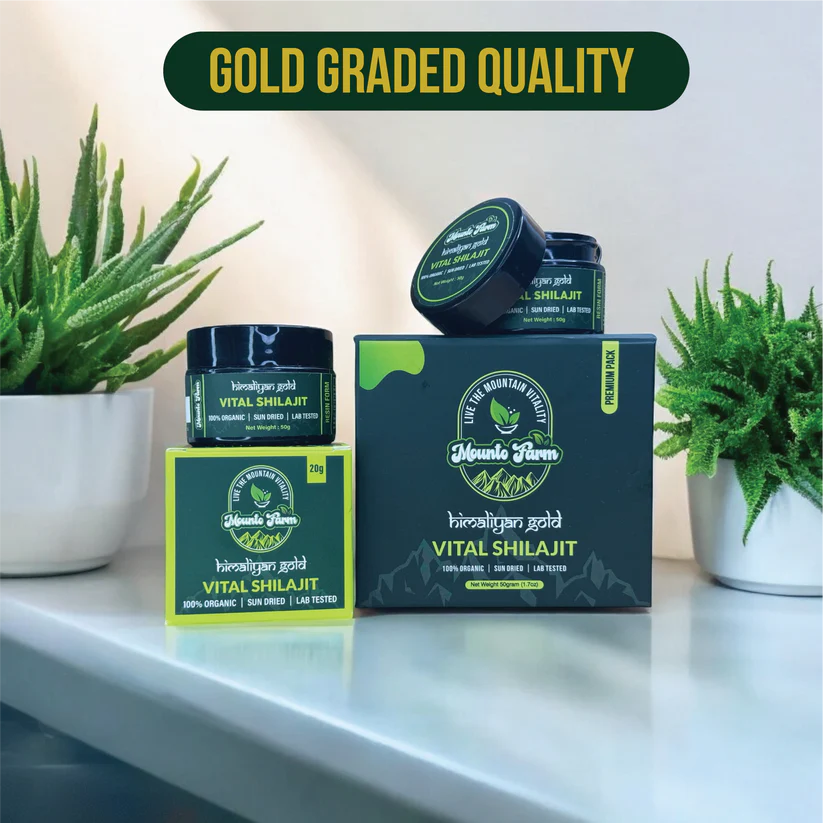
Choose purified, quality-tested Himalayan Shilajit as part of your everyday wellness routine.
Shop Premium Himalayan Shilajit Today!