Table of Contents
Where Shilajit Is Found in Gilgit-Baltistan
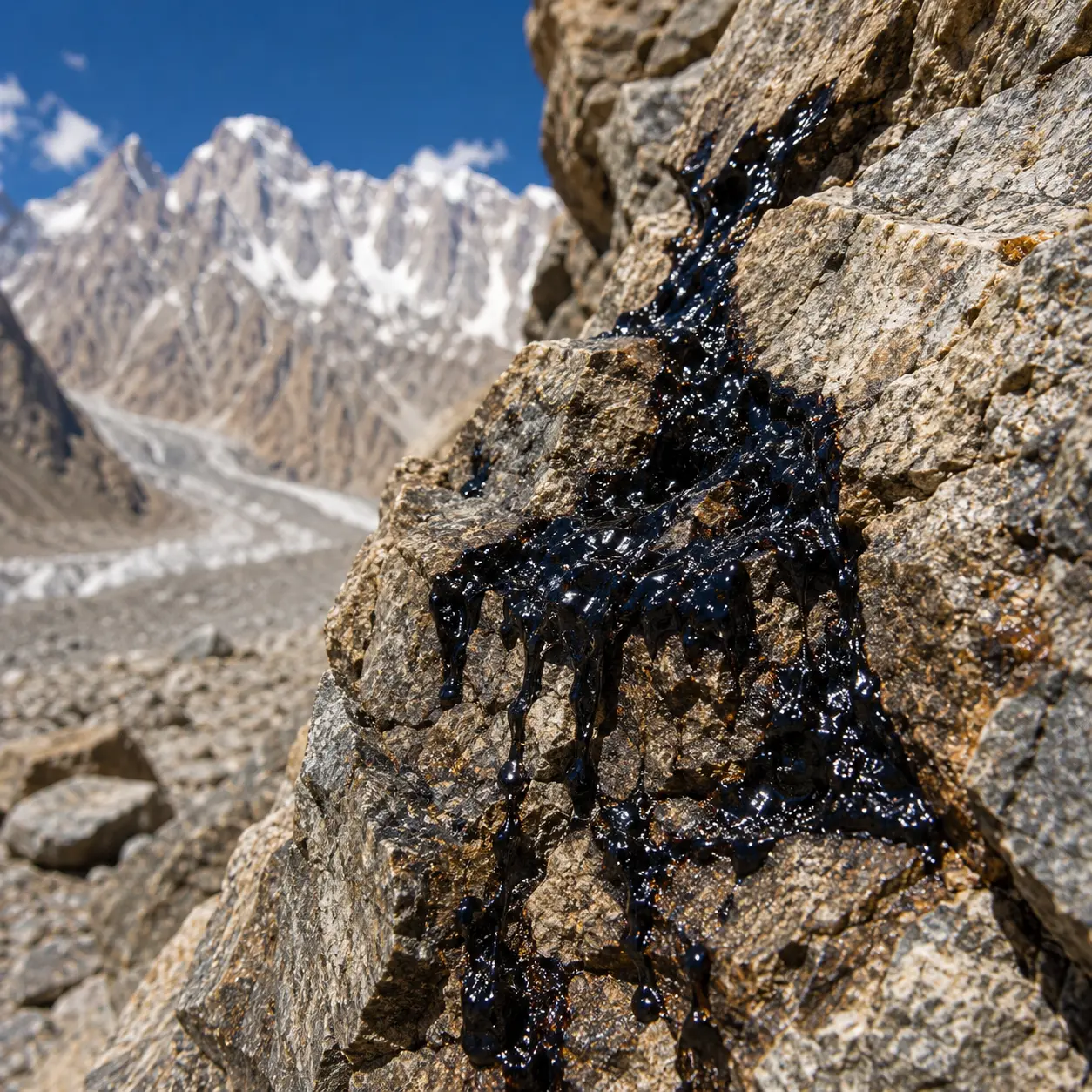
Explain the geographical setting before discussing the harvesting process. Gilgit-Baltistan contains extensive high-altitude mountain terrain within the Karakoram and Himalayan region. Commercial sources describe collection from remote, high-altitude rock formations in the area.
High-Altitude Rocky Areas
Explain how shilajit can occur around cracks, crevices, and rock faces. Avoid claiming that every high mountain contains shilajit or that altitude alone proves quality.
The Role of Mountain Conditions
Discuss how seasonal warmth and snow or ice melt can affect when naturally occurring resin becomes easier to locate and collect. Some sourcing accounts describe warmer months as the main collection period.
When Shilajit Harvesting Takes Place
Explain that collection is seasonal rather than a year-round activity in many traditional sourcing areas. Warmer conditions can make naturally occurring material more accessible on rock surfaces.
Seasonal Collection Window
Discuss the warmer months and why weather conditions matter for mountain access.
Why Timing Matters
Explain that snow, ice, extreme cold, and difficult mountain access can limit collection opportunities.
How Local Harvesters Find Shilajit
This section should focus on the experience of local harvesters. Traditional collectors may rely on familiarity with particular mountain locations, rock formations, and seasonal conditions. Some accounts describe this knowledge as being passed between generations.
Reading the Rock Surface
Explain how experienced collectors inspect cracks, crevices, and rock faces rather than simply searching randomly.
Experience Passed Through Generations
Discuss how local knowledge can help collectors navigate difficult terrain and identify areas where shilajit may naturally appear.
The Traditional Collection Process
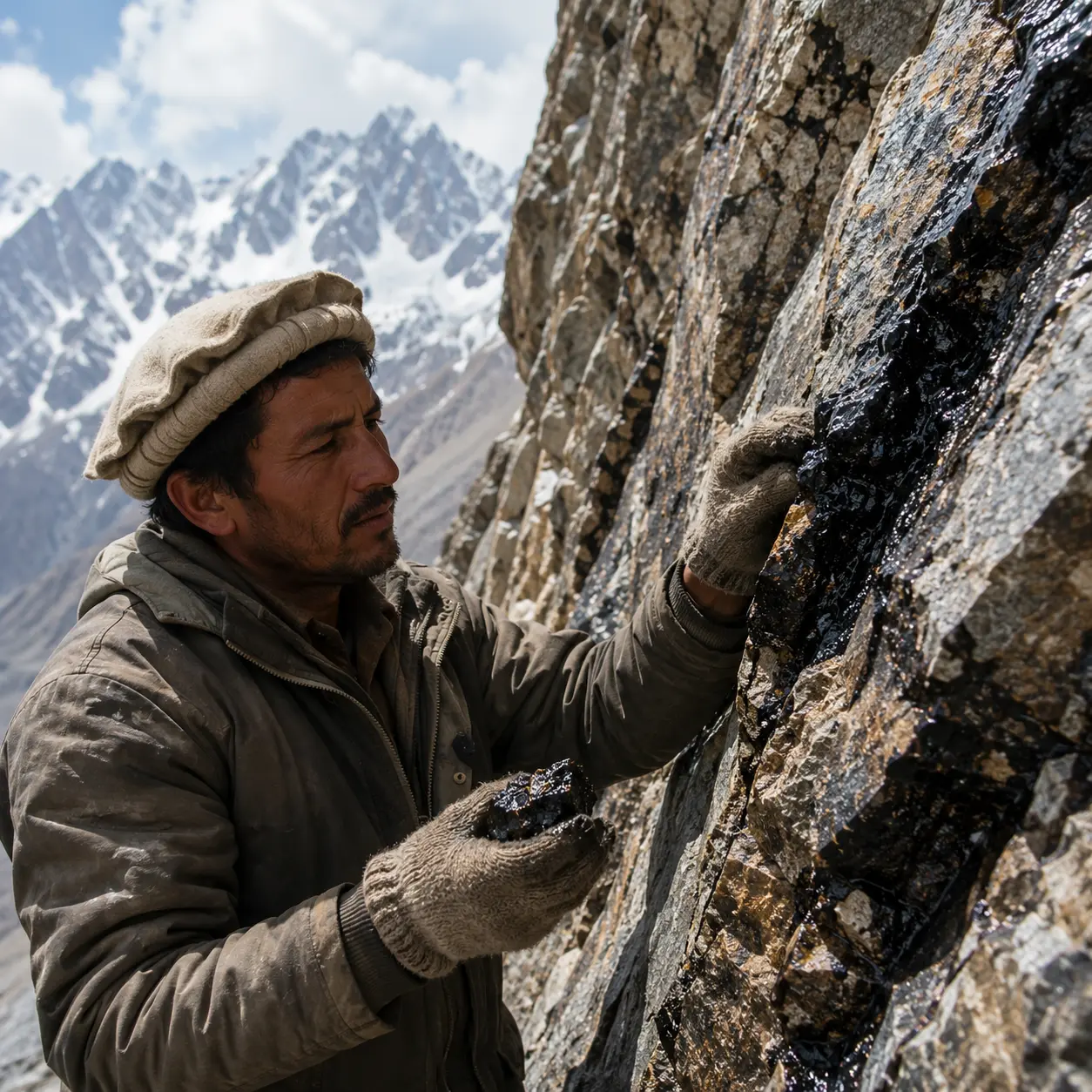
This should be the main section of the article. Describe the process carefully and realistically: locating naturally occurring material, reaching the rock face, and manually removing the resin with simple tools. Sources describing the Gilgit-Baltistan collection specifically mention hand collection and scraping from rock surfaces.
Reaching Remote Rock Faces
Explain the physical difficulty of reaching high and remote collection sites.
Carefully Scraping the Resin
Describe how collectors manually remove material from suitable rock surfaces. Avoid giving dangerous climbing instructions.
Separating Visible Rock Material
Explain that collected material may contain rock particles and other impurities, which is why further processing is required.
Bringing Raw Shilajit Down the Mountain
Explain what happens after collection. The raw material needs to be transported from remote mountain locations to a place where it can be inspected and processed.
Initial Storage
Discuss the importance of keeping raw material protected from contamination during transportation.
Batch Identification
For modern commercial production, explain that documenting the collection source and batch can help with traceability. Some modern sourcing operations record collection dates and locations.
Initial Cleaning and Sorting
Make it clear that freshly collected shilajit should not automatically be treated as a finished consumer product. Raw material can contain unwanted rock particles and other impurities. Traditional and modern processing methods therefore involve cleaning and sorting before the final product is prepared.
Removing Visible Impurities
Explain the basic purpose of sorting and removing unwanted physical material.
Preparing for Purification
Show how the initial cleaning stage prepares raw shilajit for subsequent filtration or purification.
Traditional Purification
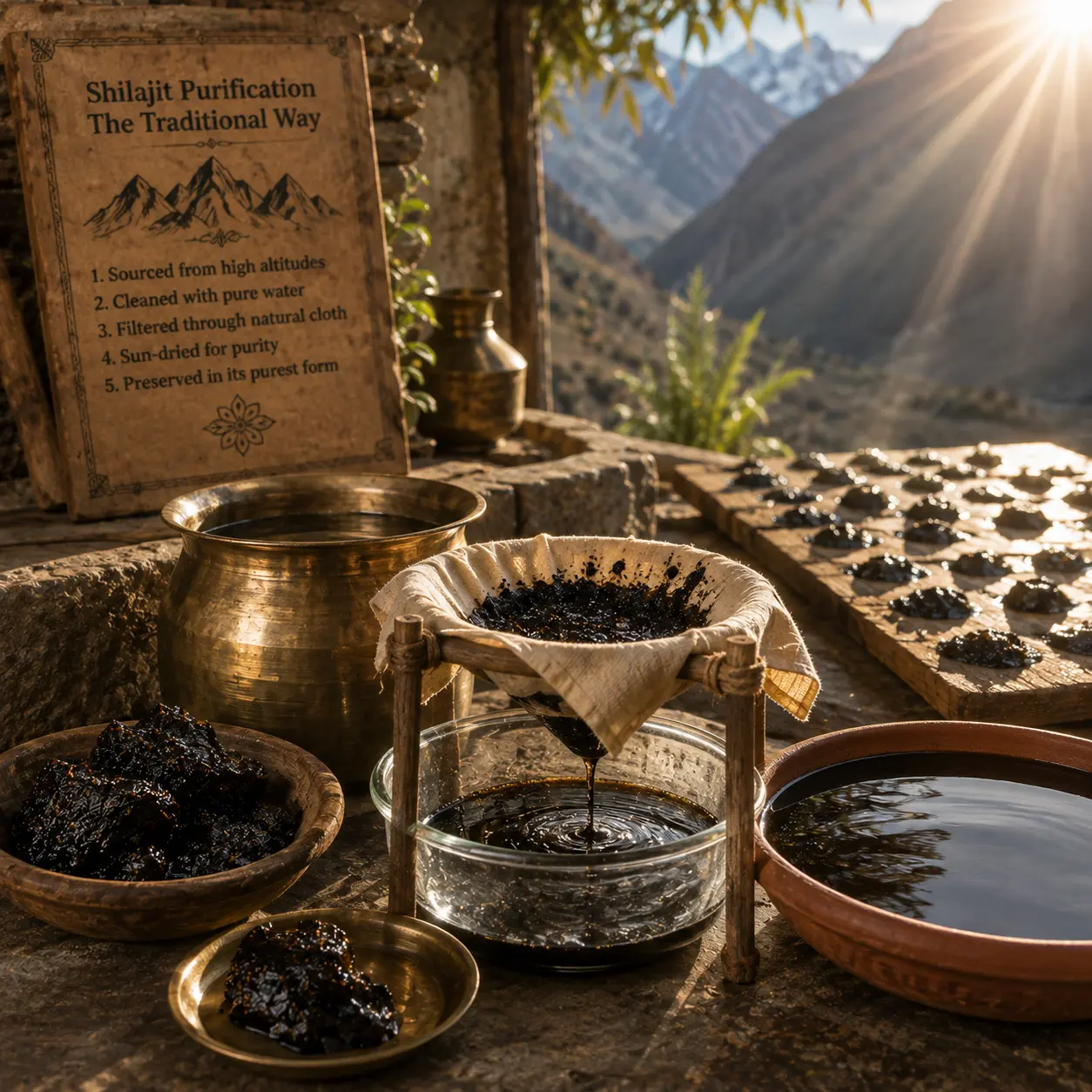
Discuss traditional purification methods without presenting one method as universal. Some regional producers describe water-based purification, filtration, sedimentation, and sun-based processing. However, methods vary between producers and historical traditions.
Water-Based Methods
Explain that some traditional approaches use water to help separate unwanted material from the resin.
Natural Settling and Filtration
Describe sedimentation and filtration as methods used to separate heavier particles.
Sun-Based Processing
Explain that some producers use sunlight as part of their traditional preparation methods. Make clear that this is a producer-specific process rather than a universal requirement.
Modern Quality Testing
This section provides an important bridge between traditional harvesting and today’s supplement market. Explain that modern producers may assess raw material and finished batches through laboratory testing. Some current sourcing operations describe checks for appearance, solubility, odour, documentation, and independent laboratory analysis
Heavy-Metal Testing
Explain why testing for contaminants matters when dealing with naturally collected mineral-rich material.
Batch Testing and Traceability
Discuss how batch records can help connect the finished product with its source and processing history.
Why Local Knowledge Matters
Explain that the value of traditional shilajit harvesting is not simply the physical collection of resin. Local harvesters may possess knowledge about mountain routes, collection locations, weather patterns, and seasonal access.
Mountain Experience
Discuss how familiarity with the terrain helps collectors work in remote areas.
Preserving Traditional Skills
Explain how documenting responsible traditional methods can help preserve regional knowledge while modern quality controls support today’s consumers.
Challenges Faced by Harvesters
Describe the realities of traditional collection without romanticising dangerous work.
Difficult Terrain
Remote cliffs, steep slopes, snow, and changing weather can make collection physically demanding.
Seasonal Access
The collection window can be limited by weather and mountain conditions.
Limited Raw Material
Natural availability can vary between locations and seasons, making consistent commercial supply more difficult.
Traditional Harvesting vs Modern Processing
Create a simple comparison:
| Traditional Stage | Modern Quality Approach |
| Local mountain knowledge | Documented sourcing |
| Manual collection | Controlled handling |
| Traditional cleaning | Standardised processing |
| Natural filtration methods | Controlled filtration |
| Local preparation | Laboratory testing |
| Community knowledge | Batch traceability |
This section should explain that modern quality controls do not necessarily replace traditional knowledge. Instead, responsible production can combine careful sourcing with appropriate testing.
Frequently Asked Questions
How Is Shilajit Harvested in Gilgit-Baltistan?
It is traditionally collected manually from naturally occurring material around mountain rocks and crevices. Experienced harvesters locate suitable areas and carefully remove the resin before further processing.
Is Shilajit Mined Like a Mineral?
Traditional collection is better described as manual harvesting from naturally occurring deposits on or around rocks rather than conventional underground mining.
When Is Shilajit Usually Collected?
Collection is generally associated with warmer periods when mountain conditions allow access and naturally occurring resin becomes easier to collect.
Is Raw Shilajit Ready to Consume?
Raw collected material should not automatically be considered a finished consumer product. It can contain physical impurities and requires appropriate processing and purification before use.
Why Is Laboratory Testing Important?
Laboratory testing can help assess a product for contaminants and provide additional information about its quality. This is particularly important for naturally collected materials.
Conclusion
End by bringing the article back to the human side of shilajit harvesting. The process begins with local knowledge and careful collection in the mountains of Gilgit-Baltistan, but it continues through cleaning, purification, and modern quality checks. This gives readers a clearer picture of how naturally occurring shilajit can move from remote mountain rocks to a finished wellness product.
Explore authentic Himalayan shilajit sourced with care from the mountains of Pakistan.