
Used for centuries in holistic healing practices, Asphaltum in traditional medicine is revered for its rejuvenating and restorative properties. Commonly known as Shilajit, this sticky, tar-like substance seeps from mountain rocks in the Himalayas, Altai, and Caucasus ranges. Packed with minerals, fulvic acid, and antioxidants, Asphaltum has long been a cornerstone in Ayurveda, Unani, and traditional Chinese medicine.
In this article, we’ll dive deep into how Asphaltum in traditional medicine has been used historically, its proven health benefits, and how you can safely incorporate this powerful natural resin into your wellness routine.
What is Asphaltum in Traditional Medicine?
A Potent Natural Substance
Also known as Mineral Pitch, Asphaltum is a naturally occurring resin formed over centuries by the decomposition of plant and microbial matter. It oozes from high-altitude rocks and is collected, purified, and used in various forms—resin, powder, or capsules.
Historical Use of Asphaltum Across Cultures
1. In Ayurveda
-
Referred to as Shilajit, meaning “conqueror of mountains and destroyer of weakness”
-
Believed to balance Vata, Pitta, and Kapha doshas
-
Used to boost strength, stamina, fertility, and longevity
2. In Unani Medicine
-
Recognized for its aphrodisiac, anti-inflammatory, and rejuvenating effects
-
Used to treat joint pain, urinary disorders, and sexual dysfunction
3. In Traditional Chinese Medicine (TCM)
✅ Internal Link: Learn more about the history of Shilajit in Ayurveda
Health Benefits of Asphaltum in Traditional Medicine
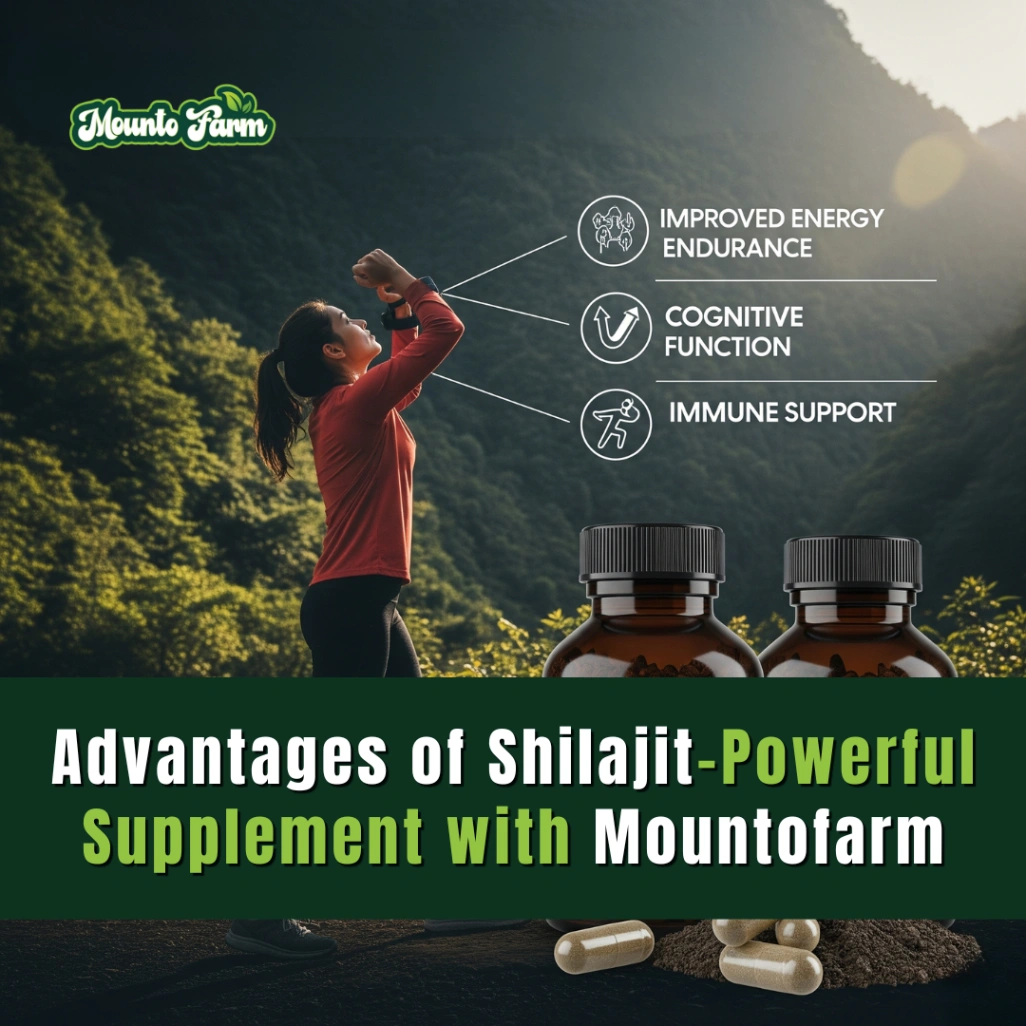
1. Enhances Energy and Stamina
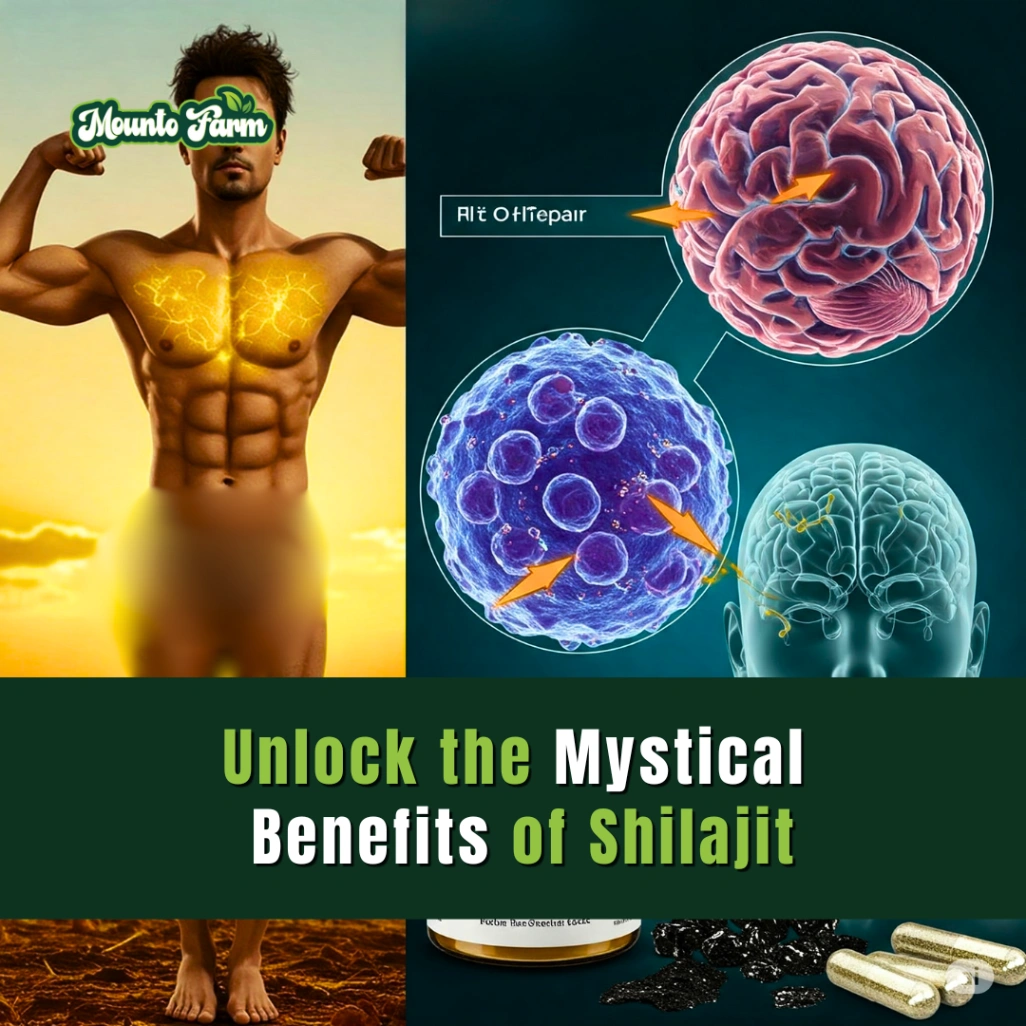
Thanks to fulvic acid and over 85 trace minerals, Asphaltum works at the cellular level to support mitochondrial function—your body’s energy production hub.
2. Boosts Cognitive Function
Traditional healers used Asphaltum for enhancing memory, concentration, and mental clarity. Modern studies now back its nootropic effects.
✅ Internal Link: Best supplements to increase focus
(more…)