Table of Contents
What Is Shilajit for Supplement Stores?
Understanding Shilajit for Supplement Stores begins with knowing why this natural resin has become a popular product in today’s supplement market. Shilajit is a mineral-rich resin collected from mountainous regions and purified before being sold as a dietary supplement. As consumer interest in natural wellness products continues to grow, many supplement stores are adding purified shilajit to their product range. However, selling a premium product requires partnering with a supplier that consistently delivers quality, purity, and reliability.
Choosing the right supplier is not only about purchasing inventory. It is also about protecting your business reputation and ensuring customers receive products that meet recognized quality standards.
Why Are Supplement Stores Selling Shilajit?
Consumer demand for natural wellness supplements continues to increase worldwide. Many customers actively search for purified Himalayan shilajit because of its traditional use and naturally occurring fulvic acid and trace minerals. As a result, retailers see shilajit as an opportunity to expand their product selection and reach new customers.
However, demand alone should never determine which supplier you choose. Product quality remains the most important factor for long-term customer satisfaction.
Why Choosing the Right Supplier Matters
Selecting the right supplier is one of the most important business decisions for any supplement retailer. A reliable supplier provides consistent quality, dependable delivery schedules, and professional customer support. On the other hand, poor-quality suppliers may cause product shortages, inconsistent quality, or customer complaints that damage your business reputation.
Therefore, retailers should evaluate suppliers carefully before entering a long-term partnership.
Protecting Your Business Reputation
Every product you sell reflects your business. If customers receive poor-quality supplements, they may lose confidence in your store. Working with a reputable supplier helps maintain customer satisfaction and encourages repeat purchases.
Building Customer Trust
Customers expect retailers to offer safe and reliable products. Selling purified, laboratory-tested shilajit demonstrates your commitment to quality and helps customers feel confident in their purchasing decisions.
What Makes a High-Quality Shilajit Supplier?
Not every supplier follows the same manufacturing practices. Therefore, retailers should evaluate several important factors before selecting a business partner. A trustworthy supplier focuses on product purity, responsible sourcing, quality testing, and transparent communication.
Businesses that invest in high-quality products often build stronger customer loyalty than businesses that compete only on price.
Proper Purification Process
Raw shilajit naturally contains unwanted impurities that should be removed through proper purification. Reliable suppliers clearly explain how their products are purified before packaging.
Consistent Product Quality
Consistency matters in wholesale purchasing. Every production batch should meet the same quality standards, allowing retailers to confidently supply customers throughout the year.
How to Verify Product Purity
Before purchasing wholesale inventory, retailers should verify product quality using independent documentation. Reliable suppliers willingly provide laboratory reports and product specifications because transparency builds confidence.
Checking product purity reduces the risk of selling low-quality supplements and helps retailers maintain customer trust.
Request a Certificate of Analysis
A Certificate of Analysis (COA) provides laboratory information about product composition and testing results. Reviewing this document allows retailers to better understand product quality before placing orders.
Confirm Heavy Metal Testing
Independent laboratory testing helps verify that products meet established quality standards. Heavy metal screening is one important part of quality assurance for many supplement manufacturers.
Which Certifications Should a Supplier Have?
Certifications demonstrate that manufacturers follow recognized quality management systems. Although certifications alone cannot guarantee product quality, they provide additional confidence when evaluating suppliers.
Retailers should always ask suppliers about their manufacturing standards before placing wholesale orders.
GMP Certification
Good Manufacturing Practices (GMP) help manufacturers maintain quality throughout production. Suppliers following GMP standards generally operate with stronger quality control procedures.
ISO Certification
ISO certifications demonstrate that companies maintain structured management systems designed to improve consistency and operational performance.
Third-Party Quality Verification
Independent testing provides additional reassurance because laboratory analysis comes from organizations outside the manufacturing company.
Private Label Opportunities for Supplement Stores
Many retailers want to sell products under their own brand name. Private-label manufacturing allows businesses to create branded products without operating their own manufacturing facility. Therefore, selecting a supplier that offers private-label services can create additional growth opportunities.
Private-label programs also help retailers build customer loyalty because shoppers associate product quality directly with the retailer’s own brand.
Custom Label Design
Many wholesale suppliers provide custom label printing that allows retailers to display their own logo, branding, and product information. Professional packaging creates a stronger first impression and helps products stand out on store shelves.
Multiple Packaging Options
Reliable suppliers usually offer several packaging choices, including glass jars, plastic containers, retail boxes, and pouches. Different packaging options allow businesses to serve various customer preferences and price ranges.
Questions to Ask Before Choosing a Supplier
Selecting a wholesale supplier is a long-term business decision. Before signing an agreement or placing your first bulk order, retailers should ask detailed questions about product quality, certifications, pricing, manufacturing standards, and delivery schedules. A trustworthy supplier will answer these questions openly and provide supporting documents whenever requested. Taking time to evaluate suppliers carefully helps reduce risks while improving long-term business success.
Asking the right questions also allows retailers to compare different suppliers more effectively. Rather than focusing only on price, businesses should evaluate the complete value offered by each supplier.
Ask About Product Testing
Always ask whether every production batch is independently tested. Request recent Certificates of Analysis (COAs), heavy metal reports, and microbial testing results. Reliable suppliers provide these documents without hesitation because they understand the importance of product transparency.
Ask About Manufacturing Standards
Retailers should ask where the shilajit is sourced, how it is purified, and which manufacturing standards the company follows. Questions about GMP certification, quality control procedures, and production consistency help verify supplier credibility.
Ask About Pricing and Minimum Orders
Before placing an order, understand the supplier’s pricing structure, minimum order quantity (MOQ), payment terms, and discounts for larger purchases. Clear pricing helps retailers calculate profit margins while planning future inventory purchases.
Common Mistakes Retailers Should Avoid
Many supplement retailers experience unnecessary business problems because they choose suppliers without proper research. Avoiding common mistakes helps protect your reputation while improving customer satisfaction. A careful supplier selection process saves time, reduces financial risks, and supports long-term growth.
Retailers should compare multiple suppliers before making a final decision. Taking shortcuts during supplier selection often leads to product quality issues, delayed deliveries, or dissatisfied customers.
Choosing the Lowest Price Only
Low prices may appear attractive initially, but poor-quality products can damage customer trust. Instead of choosing the cheapest supplier, evaluate overall quality, certifications, customer support, and reliability.
Ignoring Product Certifications
Certifications demonstrate that manufacturers follow recognized quality standards. Retailers who ignore certifications increase the risk of purchasing products that may not meet customer expectations.
Not Requesting Laboratory Reports
Never purchase wholesale supplements without reviewing laboratory documentation. Independent testing provides confidence that the product meets the supplier’s stated quality standards.
Why Choose Mountofarm for Shilajit for Supplement Stores?
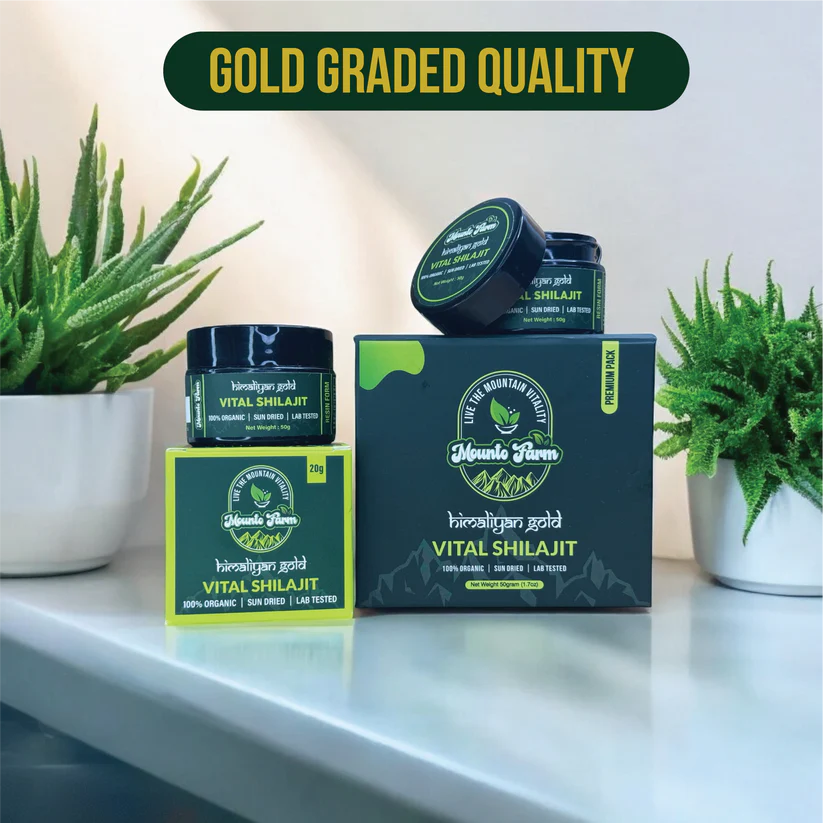
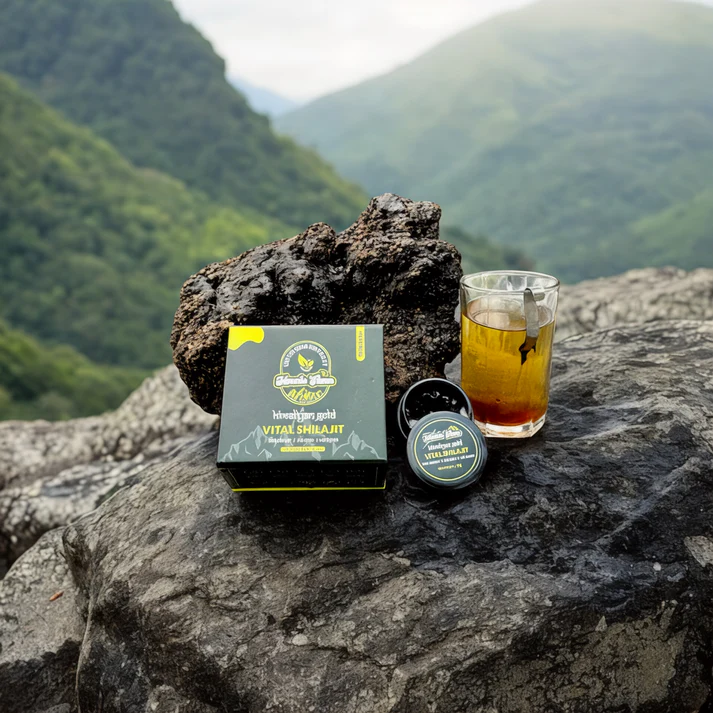
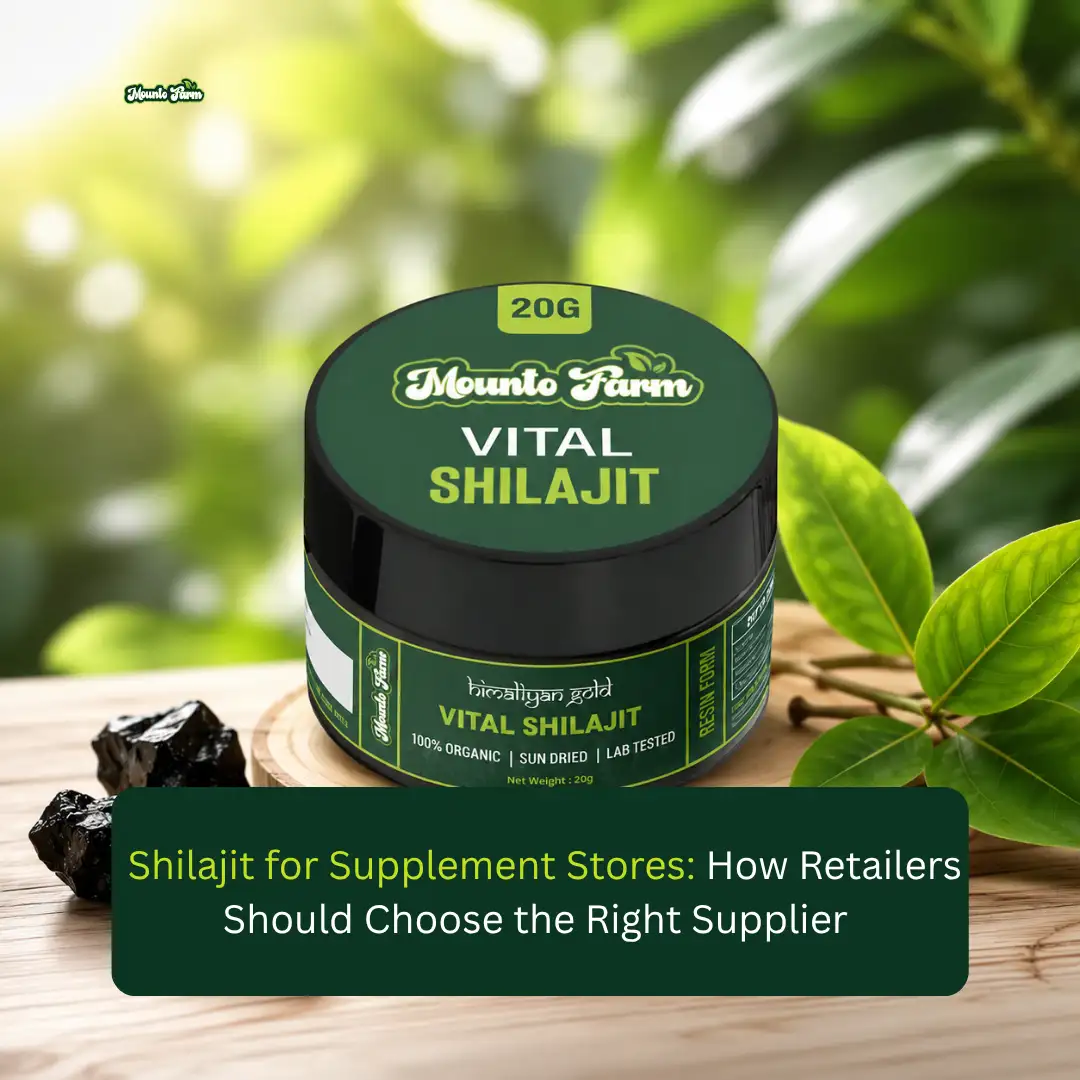
Finding the right supplier becomes much easier when you work with a company committed to quality, transparency, and long-term partnerships. Mountofarm supplies premium Himalayan shilajit for supplement stores, wellness brands, online retailers, and private-label businesses. Every product is carefully sourced, purified, and manufactured to high-quality standards.
Retailers need more than just inventory. They need a supplier that consistently delivers reliable products, professional support, and dependable service. Mountofarm focuses on building lasting relationships by providing products retailers can confidently offer to their customers.
Premium Himalayan Shilajit
Mountofarm sources premium Himalayan shilajit and follows careful purification processes to maintain product quality. Every batch is produced with consistency to support retailer confidence and customer satisfaction.
Third-Party Tested Quality
Independent laboratory testing helps verify product purity and quality. Retailers receive greater confidence when working with a supplier that values transparency and quality assurance.
Wholesale and Private Label Solutions
Whether you need bulk wholesale products or custom private-label packaging, Mountofarm provides flexible solutions designed for growing supplement businesses. Retailers can choose packaging options that match their business goals while maintaining premium product quality.
Frequently Asked Questions
How do I choose a reliable shilajit supplier?
Choose a supplier that provides purified products, third-party laboratory testing, transparent manufacturing information, recognized certifications, and dependable customer support. Reviewing customer feedback and requesting Certificates of Analysis can also help you make an informed decision.
What certifications should a supplier provide?
Look for suppliers that follow Good Manufacturing Practices (GMP) and maintain recognized quality management standards. Third-party laboratory testing and product quality documentation provide additional confidence.
What should I ask before placing a wholesale order?
Ask about sourcing, purification methods, laboratory testing, certifications, minimum order quantities, pricing, shipping timelines, payment terms, and available private-label services. These questions help you compare suppliers and choose the best long-term business partner.
Conclusion
Choosing the right supplier is essential for retailers selling Pure Shilajit . Focus on product purity, third-party testing, certifications, reliable service, and consistent quality instead of price alone. A trusted supplier helps build customer confidence and supports long-term business growth.
If you are looking for Pure Shilajit, Mountofarm offers premium Himalayan shilajit, third-party tested quality, and reliable wholesale and private-label solutions to help your business grow with confidence.
Partner with Mountofarm today for premium Himalayan Shilajit and reliable wholesale solutions that help your supplement store succeed.