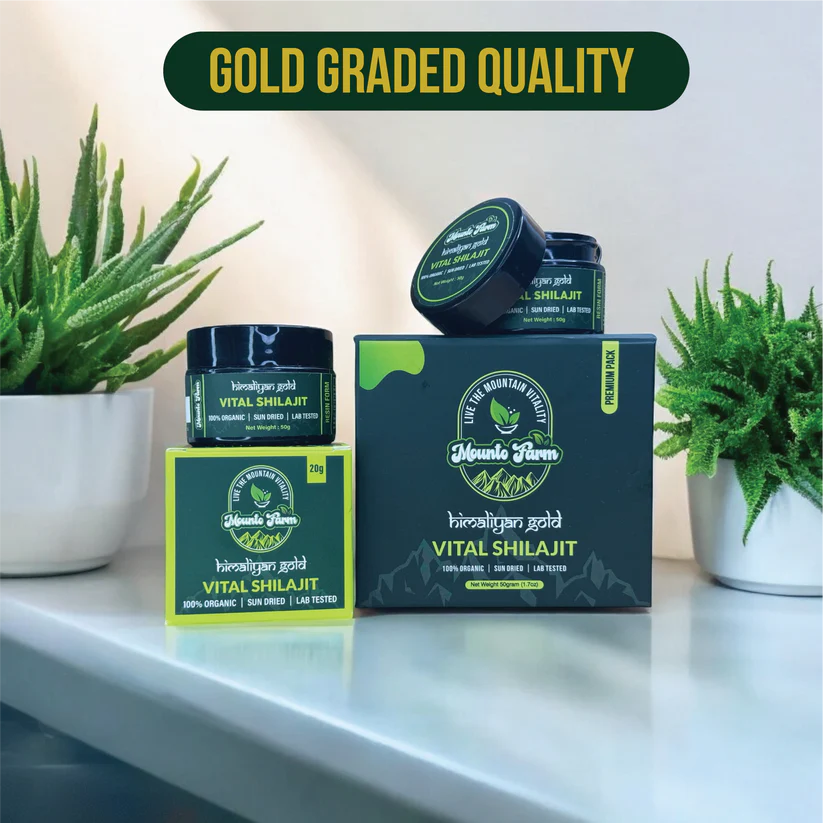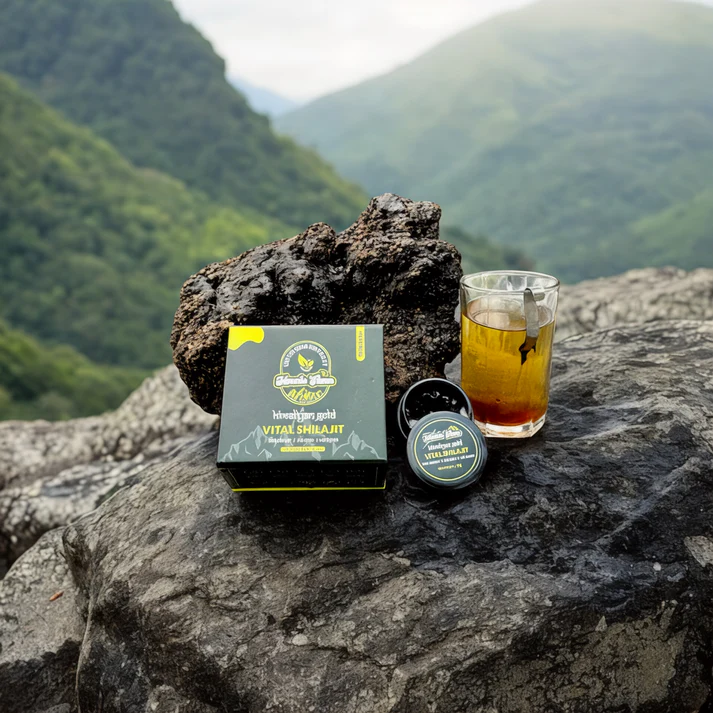
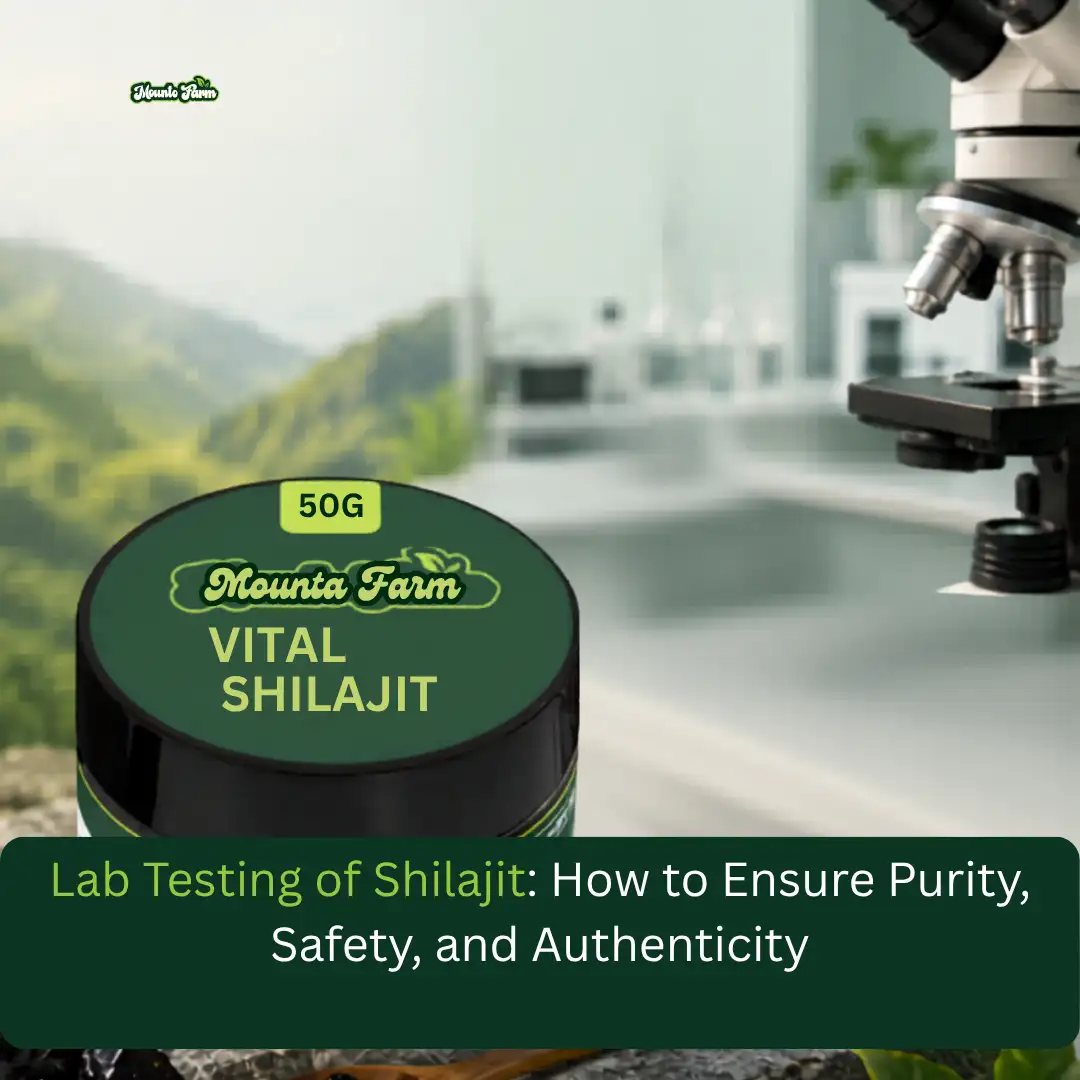
Lab testing of Shilajit: how to ensure purity, safety, and authenticity is a critical step for anyone buying this mineral-rich resin in Pakistan, the UK, or anywhere else. Although Pure Shilajit is a natural substance, its safety depends heavily on sourcing, purification, and laboratory verification.
Moreover, untested products often enter the market without proper quality control. As a result, buyers may receive contaminated or diluted resin that does not provide expected benefits. Therefore, lab testing becomes essential for identifying genuine Himalayan Shilajit.
In addition, certified testing helps confirm fulvic acid levels, mineral composition, and heavy metal safety. Consequently, buyers gain confidence in product purity and authenticity.
What Is Shilajit and Why Testing Matters?
Shilajit is a natural mineral resin formed over centuries in high-altitude mountain rocks, especially in the Himalayas. It contains organic compounds, trace minerals, and fulvic acid.
However, raw or untested Shilajit may contain:
- Heavy metals
- Soil impurities
- Microbial contamination
Moreover, without proper purification and testing, these contaminants may remain in the final product. Therefore, lab testing ensures that only safe and beneficial compounds are consumed.
In addition, testing confirms whether the product is genuine Himalayan resin or a diluted imitation.
What Does Lab Testing of Shilajit Include?
Lab testing of Shilajit covers several scientific checks that ensure safety and quality.
Heavy Metal Testing
Laboratories test for harmful elements such as:
- Lead
- Mercury
- Arsenic
- Cadmium
Moreover, acceptable limits must comply with international safety standards.
Microbial Testing
This process checks for:
- Bacteria
- Fungi
- Mold
Therefore, it ensures the product is safe for consumption.
Fulvic Acid Analysis
Fulvic acid is one of the most important compounds in Shilajit. Lab testing measures its concentration because higher levels often indicate better quality.
In addition, fulvic acid supports nutrient transport in the body.
Mineral Profile Verification
Shilajit contains trace minerals like:
- Iron
- Magnesium
- Zinc
- Potassium
Testing confirms whether these minerals exist in natural balance.
How to Read a Shilajit Lab Test Report
A lab report, also known as a Certificate of Analysis (COA), provides detailed information about product quality.
First, check the heavy metal section to ensure all values are within safe limits. Then, review fulvic acid percentage to confirm potency.
Moreover, a reliable COA should include:
- Batch number
- Testing date
- Laboratory name
- Detailed chemical breakdown
In addition, reputable brands provide third-party verification instead of internal testing only.
Therefore, transparency in reporting indicates product trustworthiness.
Why Untested Shilajit Can Be Risky
Untested Shilajit poses several risks that buyers often overlook.
Contamination Risk
Without lab testing, harmful substances may remain in the resin. Consequently, long-term use may lead to health concerns.
Fake or Diluted Products
Some sellers mix Shilajit with:
- Fillers
- Sugars
- Artificial compounds
As a result, mineral content becomes weak and ineffective.
Low Potency
Untested products often lack verified fulvic acid levels. Therefore, users may not experience expected benefits.
Lab Tested vs Non-Lab Tested Shilajit
The difference between tested and untested Shilajit is significant.
Lab-tested Shilajit provides:
- Verified safety
- Confirmed mineral content
- Guaranteed purity
In contrast, non-tested products often lack transparency.
Moreover, lab-tested resin supports better consistency in quality and performance. Therefore, buyers should always prioritise verified products.
How Trusted Brands Ensure Shilajit Purity
Reputable suppliers follow strict processes to ensure safety.
Himalayan Sourcing
Authentic Shilajit is collected from high-altitude regions. Moreover, sourcing location directly impacts mineral strength.
Controlled Purification
Raw resin undergoes purification to remove impurities while preserving beneficial compounds.
Third-Party Testing
Trusted brands send samples to independent laboratories. Therefore, results remain unbiased and reliable.
Batch Testing
Each production batch is tested separately. As a result, consistency remains stable across products.
What UK Buyers Should Look For
UK buyers should focus on several key factors when purchasing Shilajit.
- Verified COA reports
- Transparent sourcing details
- Himalayan origin confirmation
- Fulvic acid percentage disclosure
Moreover, compliance with UK supplement standards is important for safety.
In addition, buyers should avoid products with unclear origin or unrealistic pricing.
Why Suppliers Like Mountofarm Matter
Trusted suppliers play a major role in ensuring safe Shilajit consumption.
For example, Mountofarm Pvt Ltd provides:
- Lab-tested Himalayan resin
- Export-grade purification
- Consistent batch quality
- Transparent sourcing information
Moreover, strict quality control ensures safe and reliable products for international markets.
Therefore, supplier reputation directly impacts product authenticity and buyer confidence.
Conclusion
Lab testing of Himalayan Shilajit remains essential for ensuring purity, safety, and authenticity.
Moreover, it helps separate genuine Himalayan resin from fake or low-quality alternatives. Therefore, buyers should never ignore testing reports when selecting a product.
In addition, verified lab results provide confidence in mineral content, safety, and effectiveness.
Ultimately, choosing lab-tested Shilajit ensures better quality, safer consumption, and long-term value.
Choose lab-tested Himalayan resin from Mountofarm Pvt Ltd for verified purity, safe consumption, and trusted quality you can rely on.