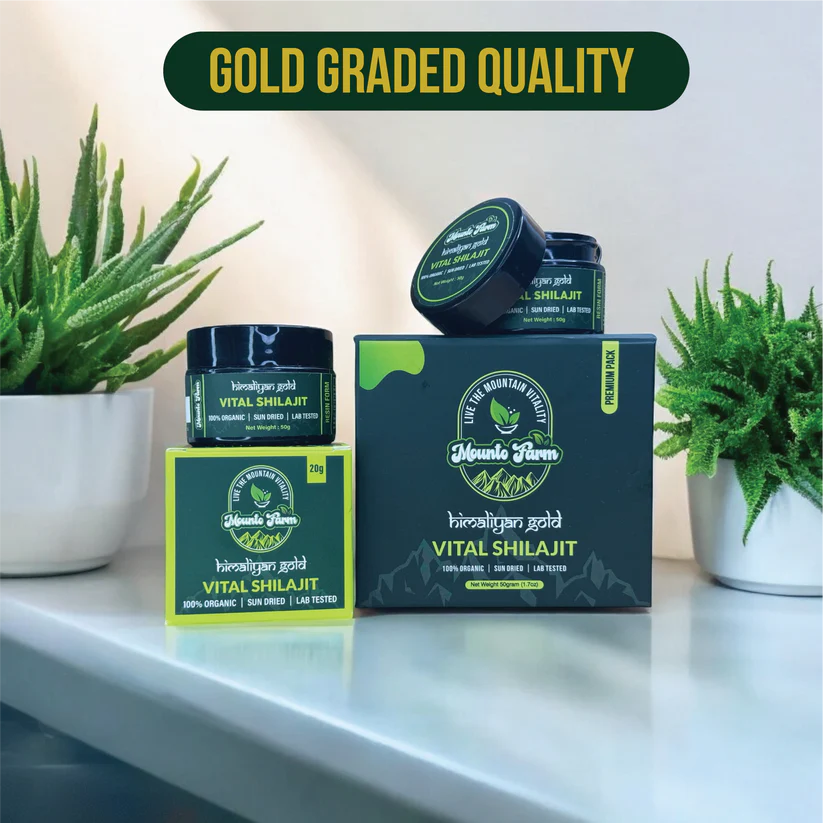
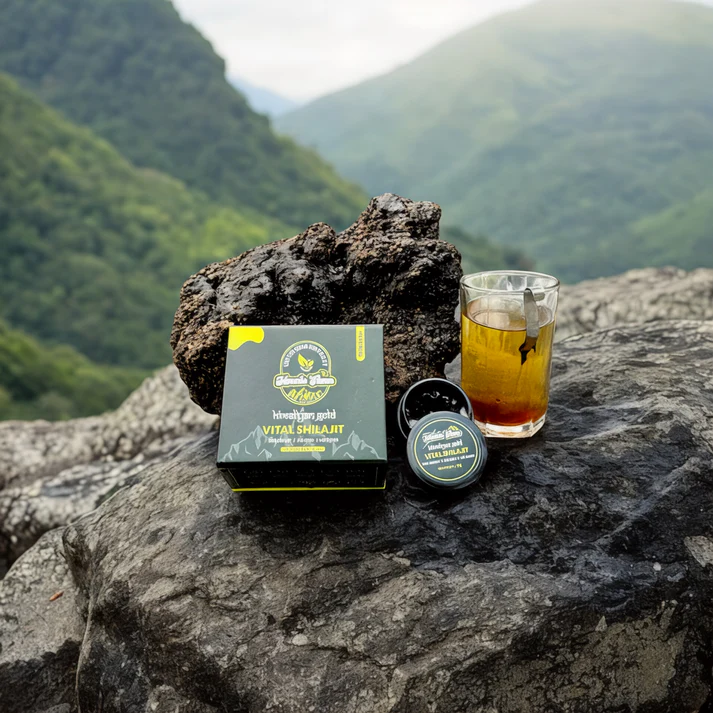
How to start a Shilajit brand in 2026 is a question many new entrepreneurs ask as demand for natural supplements continues to grow.pure Shilajit has moved from a niche product to a mainstream wellness supplement. Because consumers now seek mineral-rich, natural options, Shilajit brands have strong market potential. However, success requires proper sourcing, legal compliance, branding, and trust-building.
This guide explains every stage, from beginner steps to advanced scaling strategies, in a clear and practical way.
Understanding the Shilajit Business Market
The Shilajit market continues to expand due to rising awareness of mineral deficiencies, fatigue, and lifestyle stress. Consumers now research supplements before buying. Therefore, transparency and quality matter more than ever.
Shilajit appeals to athletes, professionals, and health-focused adults. It supports energy, recovery, focus, and stamina. Because of these benefits, demand spans multiple age groups.
In addition, online sales channels allow new brands to enter the market faster. However, competition also increases. As a result, strong positioning and quality control become essential.
How to Start a Shilajit Brand in 2026 (Beginner to Expert Guide)
Starting a Shilajit brand involves multiple stages. Beginners focus on sourcing and private labeling. Advanced brands move toward scaling, international sales, and product diversification.
At the beginner stage, focus on learning the product, identifying suppliers, and understanding regulations. At the intermediate stage, branding, packaging, and marketing take priority. At the expert stage, automation, wholesale partnerships, and exports drive growth.
Because each stage builds on the previous one, skipping steps often leads to failure. Therefore, a structured approach increases long-term success.
Choosing the Right Shilajit Product Type
Choosing the correct product form affects pricing, logistics, and customer preference.
Resin Shilajit
Resin remains the most traditional and trusted form. It dissolves in warm water and allows flexible dosing. Many experienced users prefer resin due to minimal processing.
However, resin requires careful packaging and storage. It also demands higher quality control.
Capsules and Tablets
Capsules offer convenience and consistency. Beginners often choose capsules because they are easier to market and ship. Capsules also appeal to users who prefer measured doses.
Still, capsules require additional manufacturing steps, which increase costs.
Powdered Shilajit
Powder works well for blending into drinks or formulations. It offers versatility but requires strict quality checks to avoid adulteration.
Choosing the right form depends on your target audience and budget.
Sourcing High-Quality Shilajit
Sourcing determines your brand’s reputation. Poor sourcing leads to weak results and customer complaints.
High-quality Shilajit comes from high-altitude regions. However, raw Shilajit often contains impurities. Therefore, purification is essential.
Look for suppliers who provide:
- Purification processes
- Third-party lab testing
- Certificates of analysis
- Verified fulvic acid content
Avoid suppliers who offer unusually low prices without documentation. Trusted partners like Mountofarm focus on purity, testing, and consistent supply.
Legal Requirements and Compliance
Legal compliance protects your business and customers. Supplement regulations vary by country, so research local laws before selling.
Key requirements often include:
- Business registration
- Product labeling rules
- Ingredient disclosure
- Manufacturing standards
Labels must include dosage instructions, warnings, and ingredient lists. Misleading claims can lead to penalties or bans.
Therefore, working with compliant manufacturers reduces legal risk.
Private Label vs. Own Manufacturing
New brands often choose private labeling. This model allows faster entry with lower investment.
Private Labeling
Private labeling involves selling products made by another manufacturer under your brand name. This option reduces setup costs and speeds up launch.
It also allows you to focus on marketing and sales.
Own Manufacturing
Manufacturing requires higher investment, staff, and equipment. However, it provides greater control over production and margins.
Most brands start with private labeling and move to manufacturing later.
Branding, Packaging, and Positioning
Branding shapes customer perception. A clear brand message builds trust.
Choose a brand identity that reflects purity, transparency, and reliability. Packaging should protect the product while also meeting regulatory standards.
Pricing should match quality. Low prices may attract first-time buyers, but premium pricing supports long-term positioning.
Clear communication about sourcing and testing improves credibility.
Marketing and Sales Strategies
Marketing determines visibility and trust. In 2026, digital platforms dominate supplement sales.
Online Sales Channels
E-commerce websites and marketplaces allow direct-to-consumer sales. Optimized product pages improve conversions.
Content and Education
Educational content builds authority. Blogs, videos, and guides explain benefits, usage, and quality differences.
Reviews and Social Proof
Customer reviews strongly influence buying decisions. Encourage verified buyers to share honest feedback.
Consistency across platforms improves brand recognition.
Scaling Your Shilajit Brand
Scaling begins after establishing steady sales.
Options include:
- Adding new product forms
- Offering bundle deals
- Entering wholesale markets
- Expanding internationally
Automation improves efficiency. Inventory management systems reduce errors. Partnerships with distributors increase reach.
However, scaling requires maintaining quality. Growth without control damages trust.
Common Mistakes to Avoid
Many new brands fail due to avoidable errors.
Common mistakes include:
- Selling untested Shilajit
- Making exaggerated claims
- Ignoring customer feedback
- Poor packaging quality
Learning from others’ mistakes saves time and money.
Building Long-Term Trust
Trust drives repeat purchases. Transparency, consistency, and responsiveness build loyalty.
Providing lab reports, clear instructions, and customer support increases confidence.
Brands like Mountofarm succeed by focusing on long-term value rather than quick profits.
Future Trends in the Shilajit Market
By 2026, consumers will demand higher transparency. Clean labels and verified sourcing will dominate.
Personalized wellness and subscription models may grow. Educational marketing will outperform aggressive advertising.
Brands that adapt early gain advantage.
Conclusion
Learning how to start a Shilajit brand in 2026 requires planning, quality control, and patience. Success depends on sourcing pure Shilajit, following regulations, building trust, and scaling responsibly.
Private labeling offers a practical entry point, while branding and education drive growth. Choosing reliable partners like Mountofarm helps reduce risk and maintain quality.
With the right strategy, a Shilajit brand can achieve long-term success in a competitive market.