Table of Contents
Shilajit quality can vary from one product to another. Although many products may look similar, their source, purification process, testing, texture, and storage can be different. These factors can affect the overall quality and consistency of the final product.
When buying Himalayan Shilajit, it is important to look beyond words such as “pure” or “premium.” Instead, check how the product is sourced, processed, tested, and packaged. This guide explains the main factors that help you understand Shilajit quality and what to look for before buying.
What Determines Shilajit Quality?
Shilajit quality depends on several factors rather than one single feature. The natural source is important, but proper purification and quality control are also needed before the product reaches consumers.
A quality-focused product should have clear information about its origin and processing. Buyers should also be able to find useful details about testing, ingredients, packaging, and storage.
Therefore, comparing these factors can give you a better understanding of the product than relying only on marketing claims.
Why Shilajit Source Matters
The source is one of the first things to check when evaluating Shilajit quality. Natural Shilajit is associated with mountainous regions, including the Himalayas, Karakoram, and Hindukush.
Different geographical areas can have differences in the natural composition of Shilajit. For this reason, a transparent brand should clearly explain where its raw material comes from.
Shilajit Quality and Purification
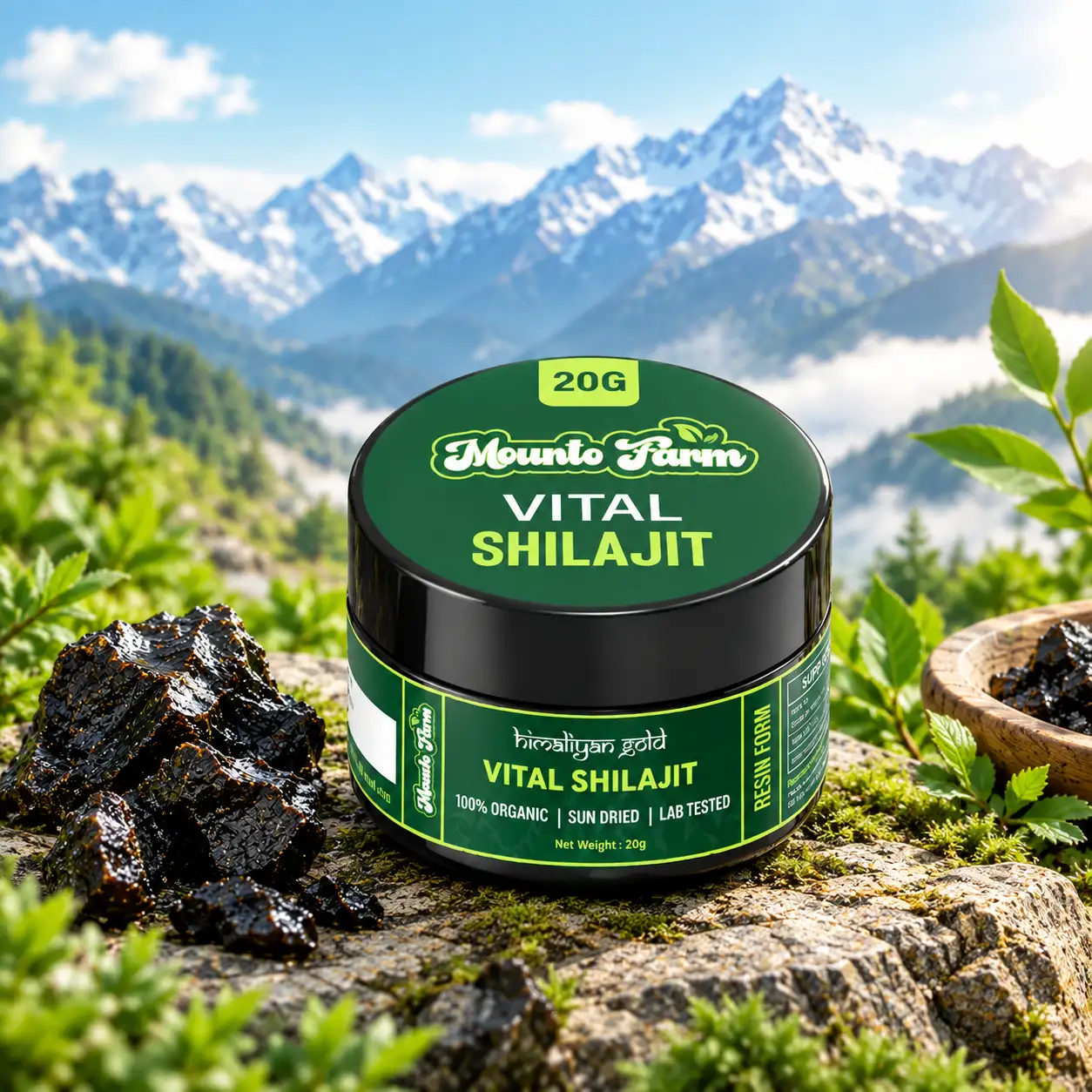
Raw Shilajit is a natural material and may contain unwanted substances such as soil, stones, and other debris. Therefore, purification is an important part of Shilajit quality.
A proper purification process can involve soaking, separation, filtration, and drying. The exact process can differ between manufacturers.
MountoFarm describes a process in which raw Shilajit stones are crushed and soaked in fresh Himalayan spring water. The material then goes through filtration before the purified resin is dried.
Why Filtration Matters
Filtration is another important step when assessing Shilajit quality. It helps separate unwanted particles from the processed material.
MountoFarm states that its Shilajit-infused water passes through a four-step filtration process. The company describes filtration as part of its preparation process before drying the purified resin.
However, filtration should not be considered the only sign of quality. A complete quality approach should also include appropriate testing and controlled processing.
The Role of Laboratory Testing
Laboratory testing is an important consideration when comparing Shilajit quality. Natural mineral-based materials can contain trace elements, including potentially unwanted heavy metals.
Testing can provide information about specific quality and safety parameters. Depending on the product and laboratory, testing may include heavy metals, microbial contamination, and other characteristics.
When choosing Shilajit, look for a brand that provides clear information about its quality testing rather than relying only on claims such as “100% pure.”
Checking Shilajit Appearance and Texture
Appearance and texture can provide useful information, but they should not be used alone to determine Shilajit quality.
Authentic resin is generally thick and sticky, and its texture can change with temperature. It may become softer in warmer conditions and firmer in cooler conditions.
Color and texture can vary naturally. Therefore, buyers should consider these features together with source, processing, testing, and product information.
Packaging and Storage
Proper packaging also supports consistent Shilajit quality. Resin should be stored in a clean, well-sealed container that helps protect it from moisture and contamination.
Storage instructions are equally important. Customers should follow the manufacturer’s recommendations and keep the container properly closed when not in use.
A clear label should also provide useful information such as product name, quantity, ingredients, manufacturer details, and storage guidance.
How to Compare Shilajit Products
Before purchasing, compare products using these simple checks:
- Source: Is the origin clearly explained?
- Purification: Does the brand describe its processing method?
- Filtration: Is there information about filtration or cleaning?
- Testing: Is laboratory testing mentioned?
- Packaging: Is the resin properly sealed and labeled?
- Ingredients: Are unnecessary fillers or additives clearly disclosed?
- Storage: Are clear storage instructions provided?
Looking at these points together gives you a more complete picture of Shilajit quality.
Why Consider MountoFarm?
MountoFarm is one option buyers can consider when looking for Himalayan Shilajit with information about sourcing and processing. The brand states that its Shilajit is sourced from mountainous regions of Gilgit-Baltistan.
MountoFarm also describes crushing raw Shilajit stones, soaking them in Himalayan spring water, filtration, drying, and laboratory quality checks as part of its process.
For buyers comparing Shilajit quality, reviewing the brand’s sourcing, processing, testing, and product information can help them make an informed choice.
FAQs
What Is the Most Important Factor in Shilajit Quality?
There is no single factor that determines Shilajit quality. Source, purification, filtration, testing, packaging, and storage should all be considered together.
Is Darker Shilajit Always Better?
Not necessarily. Color alone does not prove quality. Processing, source, testing, and overall product information are also important.
Why Is Laboratory Testing Important?
Laboratory testing can help identify specific contaminants and quality parameters. It provides information that cannot be confirmed reliably through appearance alone.
How Should Shilajit Resin Be Stored?
Follow the manufacturer’s storage instructions. Generally, the container should remain properly sealed and protected from unsuitable heat, moisture, and contamination.
Conclusion
Shilajit quality depends on more than appearance or a product label. Source, purification, filtration, laboratory testing, packaging, and storage all contribute to how a Shilajit product is prepared and presented.
If you are comparing Pure Himalayan Shilajit products, take time to review the available sourcing and processing information. MountoFarm can also be considered by buyers who want to review a brand’s Himalayan sourcing, purification process, and quality information before purchasing.
Looking for Himalayan Shilajit with clear sourcing and processing information? Explore MountoFarm Shilajit and review the product details before making your choice.