Pure Shilajit is widely known for supporting energy, stamina, and overall wellness. However, not all Shilajit comes from the same source. Two of the most discussed types are Altai Shilajit and Himalayan Shilajit. While both offer health benefits, users often ask which one is more powerful.
This comparison explains how Altai Shilajit and Himalayan Shilajit differ in origin, mineral profile, benefits, safety, and daily use. By the end, you will understand which option suits your needs and why brand quality matters more than location alone.
Altai Shilajit vs Himalayan Shilajit — What’s the Difference?
The main difference between Altai Shilajit and Himalayan Shilajit lies in geography, climate, and formation conditions. These factors affect mineral density and user experience.
Altai Shilajit comes from the Altai Mountains, which stretch across parts of Russia, Mongolia, China, and Kazakhstan. This region experiences colder temperatures and shorter summers. Because of this climate, plant material decomposes at a slower pace.
Himalayan Shilajit forms in the Himalayan mountain range, mainly across Pakistan, India, and Nepal. Higher altitude, seasonal heat, and pressure influence the resin’s composition. These environmental factors often result in a higher fulvic acid content.
While both types form over centuries, Himalayan Shilajit typically contains a broader mineral range due to its unique geological conditions. Therefore, users often notice differences in potency and tolerance.
Benefits of Altai Shilajit
Altai Shilajit has gained popularity, especially in European and Russian markets. Many users choose it for its stable composition and mild effect.
Energy and Stamina Support
Altai Shilajit provides gradual energy support. Users often describe steady physical endurance rather than intense stimulation. Because of this, it suits people who prefer subtle daily support.
Muscle Recovery
Athletes report reduced soreness after training. The mineral content supports muscle tissue repair, especially when taken consistently. However, recovery effects may take longer compared to Himalayan Shilajit.
Mental Focus
Some users experience improved concentration and reduced fatigue. Altai Shilajit supports mental clarity, although the effects tend to feel mild rather than immediate.
Altai Shilajit works well for people seeking gentle support without strong sensations.
Benefits of Himalayan Shilajit
Himalayan Shilajit remains the most widely used form worldwide. Its popularity comes from noticeable results and long-term use benefits.
Daily Energy Balance
Himalayan Shilajit supports natural energy production at the cellular level. Many users report sustained energy throughout the day without sudden drops. Therefore, it fits well into active lifestyles.
Immune System Support
The mineral-rich profile supports immune function. Users often notice better resistance to seasonal fatigue and quicker recovery from minor illnesses.
Long-Term Wellness
Himalayan Shilajit supports joint comfort, muscle recovery, and overall vitality. Regular use often leads to consistent benefits rather than short-term effects.
Because of these factors, Himalayan Shilajit suits people looking for stronger and more noticeable support.
Altai Shilajit vs Himalayan Shilajit for Strength & Endurance
When comparing strength and endurance, Himalayan Shilajit often ranks higher.
Himalayan Shilajit contains higher fulvic acid levels, which help transport minerals into cells. As a result, muscles receive nutrients more efficiently. Athletes often report better endurance and quicker recovery.
Altai Shilajit still supports performance, yet its effects appear slower and less intense. Therefore, it works better for moderate activity rather than high-intensity training.
User feedback consistently shows that Himalayan Shilajit supports stamina, strength, and physical output more effectively. Because of this, many fitness-focused users prefer it.
Purity, Safety, and Quality Comparison
Purity and safety depend more on processing than on location. However, sourcing still plays a role.
Lab Testing
Both Altai and Himalayan Shilajit require filtration and purification. Trusted brands provide third-party lab reports that confirm mineral content and absence of heavy metals.
Heavy Metal Concerns
Low-quality Shilajit may contain lead, arsenic, or other contaminants. Therefore, brands without lab reports pose risks, regardless of origin.
Processing Standards
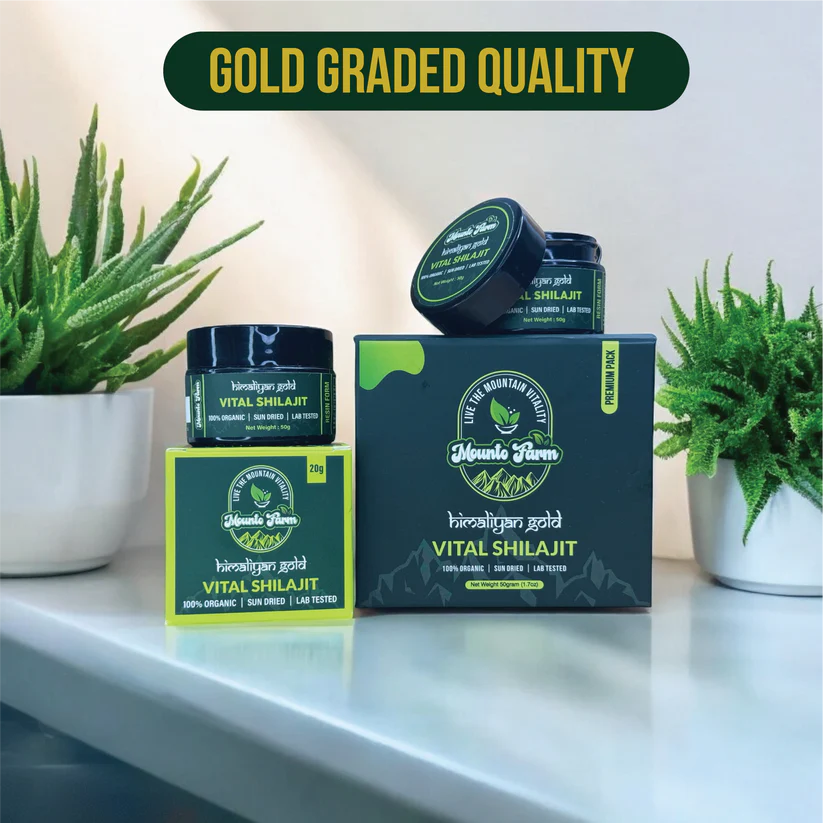
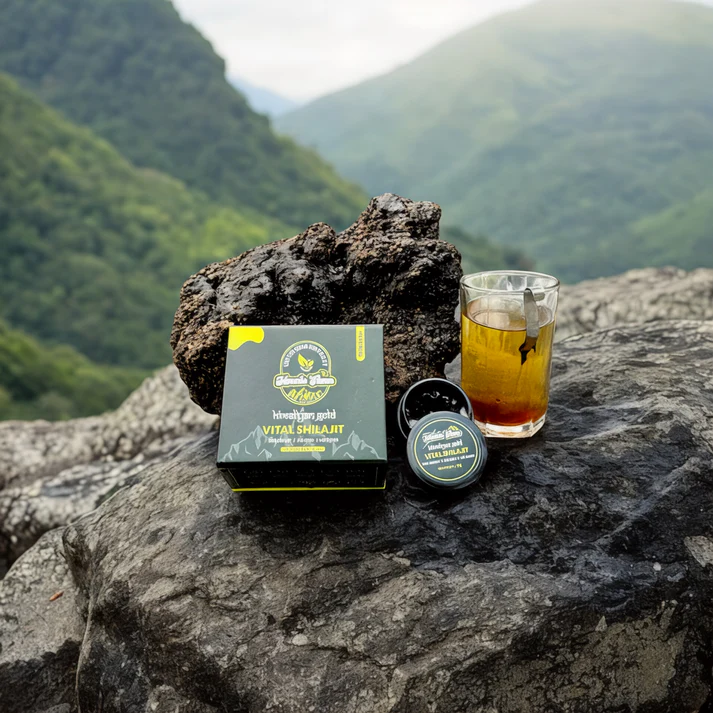
Himalayan Shilajit brands often invest more in purification due to higher demand. For example, Mountofarm Himalayan Shilajit provides clear testing information, which builds buyer trust.
In contrast, some Altai products lack transparency, especially when sold through unofficial channels.
Taste, Texture, and Solubility Differences
Physical characteristics also differ between the two types.
Color and Consistency
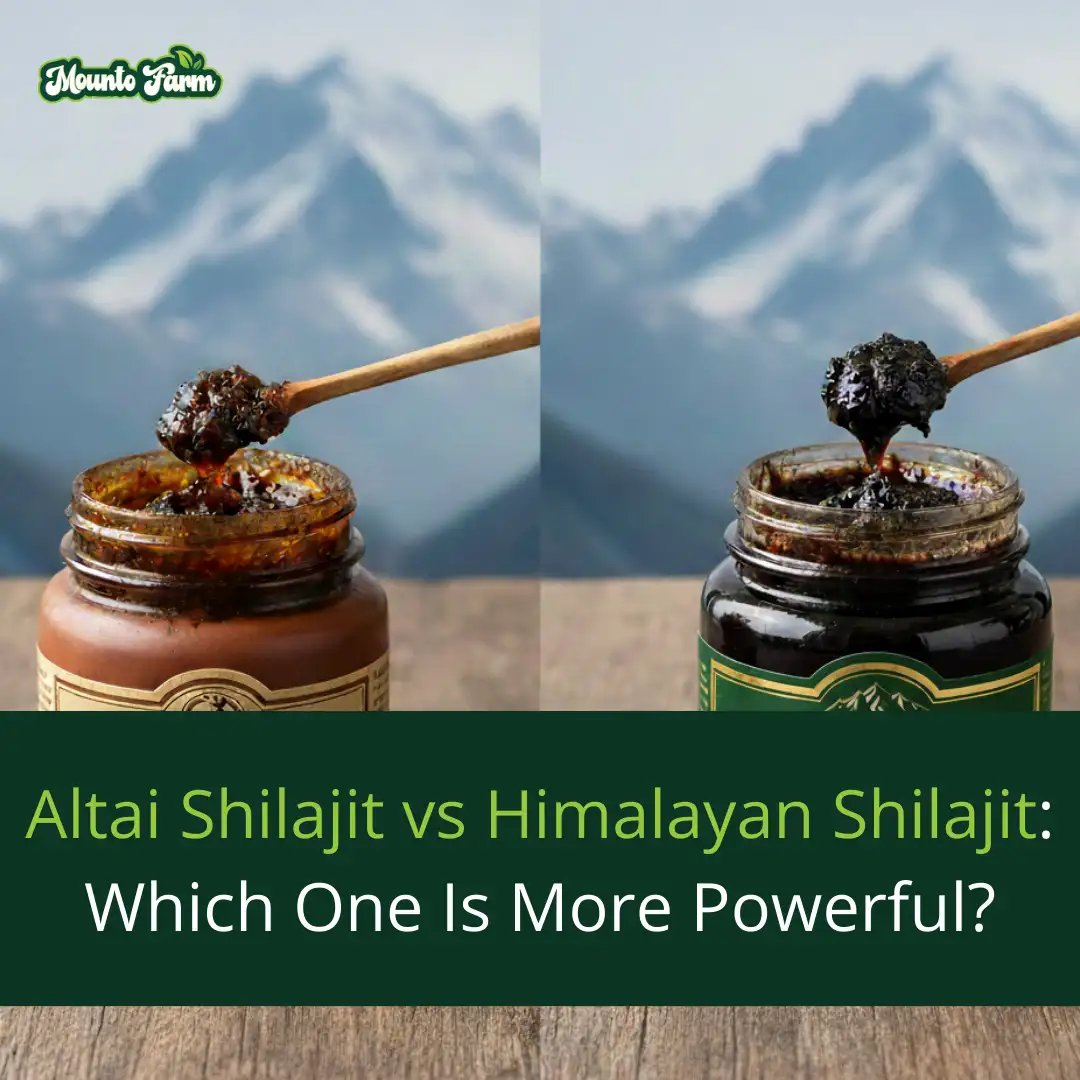
Himalayan Shilajit usually appears dark brown to black with a sticky yet firm texture. It softens in warmth and hardens slightly in cold.
Altai Shilajit often looks lighter in color and feels more brittle. Some users prefer this texture, while others find it less smooth.
Smell and Taste
Himalayan Shilajit smells earthy and tastes bitter. Altai Shilajit has a milder scent and taste, which some beginners prefer.
Water Solubility
Both types dissolve in warm water. However, Himalayan Shilajit tends to dissolve more evenly, leaving minimal residue when pure.
Which Shilajit Is Better for Daily Use?
Daily use depends on digestion, tolerance, and goals.
For Beginners
Altai Shilajit suits beginners who want mild support and fewer digestive reactions. Its gradual effects help users adjust.
For Long-Term Users
Himalayan Shilajit works better for experienced users seeking consistent results. Daily intake supports energy, focus, and recovery.
Digestive Tolerance
Some users experience stomach sensitivity with stronger resin. In such cases, starting with food helps. High-quality Himalayan Shilajit, such as Mountofarm , often causes fewer issues due to clean processing.
Price and Availability Comparison
Price varies based on brand, testing, and region.
Altai Shilajit
- Often more expensive due to limited supply
- Less available in South Asia
- Common in European markets
Himalayan Shilajit
- Widely available
- Offers more price options
- Better value due to competition
Himalayan Shilajit usually offers better value for money, especially when purchased from verified brands.
How to Choose the Best Shilajit Brand
Choosing the right brand matters more than choosing the region.
Check Lab Reports
Always look for third-party testing. This step confirms safety and mineral content.
Review Transparency
Trusted brands share sourcing, processing, and dosage information.
User Feedback
Consistent reviews indicate reliable quality. Sudden changes in texture or effect often signal poor control.
Brand Recommendation
Mountofarm stands out for offering Himalayan Shilajit with verified purity, smooth consistency, and clear guidance. Users often report steady energy and good tolerance.
Conclusion
Both Altai and Himalayan Shilajit provide benefits. However, Himalayan Shilajit often proves more powerful due to higher fulvic acid content, broader mineral range, and stronger user results.
Altai Shilajit works well for mild support and beginners. Himalayan Shilajit suits users seeking stamina, strength, and long-term wellness. When quality and testing matter, Himalayan Shilajit from a trusted brand offers the best balance of power and safety.