Pure Shilajit is a popular natural supplement used worldwide for its minerals and fulvic acid content. Businesses and retailers often consider buying Shilajit in bulk. Understanding Shilajit wholesale prices — resin, capsules, and powder helps buyers make informed decisions. This guide breaks down pricing, factors affecting cost, and practical tips for bulk purchases.
Understanding Shilajit and Its Forms
Shilajit is a mineral-rich resin that forms in mountainous regions over centuries. It contains fulvic acid, humic substances, and trace minerals.
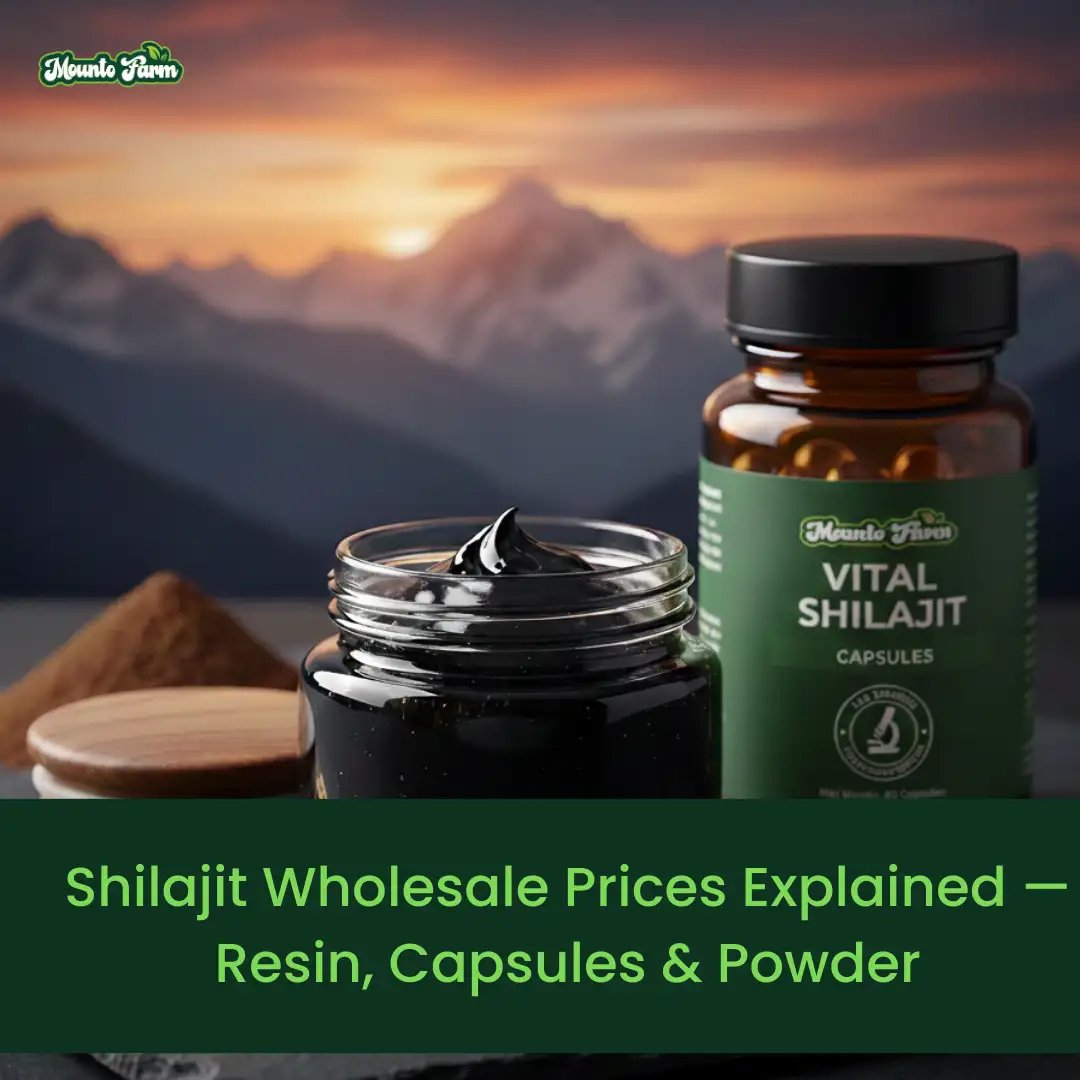
Shilajit comes in three main forms:
- Resin: Sticky, natural form often considered the purest.
- Capsules: Convenient for consumers, with standardized doses.
- Powder: Versatile for mixing into drinks or supplements.
Each form has unique characteristics, affecting pricing and suitability for different businesses. Choosing the right form depends on customer preferences and handling requirements.
Shilajit Wholesale Prices Explained — Resin, Capsules & Powder
Wholesale pricing depends on multiple factors. Generally, resin costs more due to its purity and manual processing. Capsules involve additional manufacturing and packaging, adding to cost. Powder prices vary depending on quality, granularity, and purification.
Businesses must compare costs while considering profit margins, storage, and target audience. Buying in bulk often reduces per-unit cost but requires proper handling and storage.
Factors That Influence Shilajit Pricing
Several elements affect wholesale Shilajit prices:
Purity and Quality
High-purity Shilajit with minimal contaminants costs more. Lab-tested products confirm safety and mineral content. Impure or low-quality Shilajit is cheaper but may not meet safety standards.
Fulvic Acid Content
Fulvic acid is a key active compound. Higher concentrations increase effectiveness and price. Buyers should check percentage levels to ensure value for money.
Source and Altitude
Shilajit from high-altitude regions often contains richer mineral content. Location affects both quality and cost. Products sourced from trusted areas tend to command higher prices.
Packaging and Branding
Capsules and powder require additional packaging, labeling, and branding. These costs influence wholesale pricing. Strong branding may justify higher prices, particularly for resale.
Resin Prices and Benefits
Resin is considered the most traditional form. It retains natural compounds with minimal processing.
Benefits of Resin:
- High concentration of fulvic acid and minerals
- Minimal additives
- Flexible dosing for end consumers
Wholesale Price Range: Resin is typically higher per kilogram due to purity and processing labor. Bulk orders reduce the per-unit cost, making it viable for distributors.
Capsule Prices and Benefits
Capsules offer convenience and consistency. They are pre-measured, making dosage easy for consumers.
Benefits of Capsules:
- Standardized dosing
- Easy to store and ship
- Consumer-friendly form
Wholesale Considerations: Production costs include encapsulation and packaging. Bulk buying reduces per-unit cost. Businesses should consider storage space and shelf life when choosing capsules.
Powder Prices and Benefits
Shilajit powder is versatile. It can be mixed with drinks, added to supplements, or used in recipes.
Benefits of Powder:
- Flexible dosing
- Easy to incorporate into formulas
- Long shelf life if stored properly
Wholesale Price Range: Powder generally costs less than resin per kilogram but more than raw low-grade Shilajit. Purity and particle size influence the price. Proper storage ensures longevity.
How to Choose the Right Form for Your Business
Selecting the right Shilajit form depends on market demand and logistics. Consider:
- Customer Preferences: Some prefer capsules for convenience, others like resin for traditional use.
- Shelf Stability: Powder and capsules may last longer than resin.
- Profit Margins: Resin may yield higher margins due to premium pricing, but capsules offer consistent sales potential.
Balancing demand, storage, and pricing helps businesses maximize value.
Safety and Authenticity Tips When Buying Wholesale
Safety and authenticity are crucial. Bulk buyers should:
- Choose lab-tested Shilajit with verified mineral and fulvic acid content
- Avoid products with heavy metals or fillers
- Work with trusted suppliers to ensure quality
Checking third-party lab results helps maintain customer trust and protects brand reputation. Low-cost, untested products may reduce upfront expenses but increase risk of complaints or health issues.
Conclusion
Understanding Shilajit wholesale prices — resin, capsules, and powder helps buyers make informed decisions. Resin generally costs more due to purity, while capsules add manufacturing costs. Powder offers versatility and moderate pricing.
Factors like fulvic acid content, source, and lab testing determine value. Businesses should balance price, quality, storage, and customer preference when selecting a form. Choosing high-quality Shilajit ensures safety, effectiveness, and customer satisfaction.